Moving an ordinary box of household belongings is one thing. Moving an antique oil painting, an ornate mirror or a valuable piece of artwork is something entirely different.
With antiques and artwork, the smallest details can matter. The type of wrapping used, how a frame is supported, the order protective materials are applied and even how many people are involved in lifting an item can all make a significant difference.
At Now We’re Moving, we believe specialist removals are as much about preparation as transportation. Our approach to antique and fine art removals is based on assessing individual items and deciding how they need to be protected before they are moved.
A recent example was our Ston Easton Park antique artwork packing and storage project, where we prepared a substantial collection of antique pictures, oil paintings and mirrors for storage while the property underwent major refurbishment.
Valuable Items Need More Than Standard Packing
There is no single packing method that works for every antique or piece of artwork.
An oil painting has different requirements from a mirror. An intricately decorated antique frame may have delicate mouldings and corners requiring additional protection. A large painting can create completely different handling challenges simply because of its dimensions and weight.
Before anything is moved, we look at what we are dealing with.
That means considering the size and construction of an item, identifying vulnerable areas and deciding what level of wrapping or additional protection is appropriate.
This attention to detail is particularly important when something is fragile, irreplaceable or has substantial financial or sentimental value.
We have previously covered some of the broader considerations involved in moving delicate items safely, but antiques and valuable artwork often require an even more individual approach.
At Ston Easton Park, some of the paintings had already been wrapped elsewhere. Rather than assuming the existing protection was suitable and simply loading the items, we checked the collection ourselves.
Our team ultimately spent around six hours carefully wrapping and re-wrapping antique paintings, pictures and mirrors before they were placed into storage.
For us, that additional work is part of doing the job properly.
Preparing Paintings Before They Are Wrapped
A valuable painting should not simply have layers of protective material placed directly against its painted surface.
During the Ston Easton Park project, we placed tissue paper over the surfaces of the oil paintings before applying the main protective wrapping.
This provided an additional layer between the artwork and the outer packing materials.
It may seem like a relatively small part of the overall process, but these are exactly the kinds of details that become important when dealing with valuable and potentially irreplaceable possessions.
Professional packing is not just about using more material. It is about using suitable materials in the right order and applying them appropriately for the individual item.
Preparing Artwork for Storage
Temporary storage is often necessary during house moves, property renovations and major refurbishment projects.
However, placing artwork into storage is not simply a case of wrapping it quickly and putting it into a unit.
The items need to be prepared for the journey to storage as well as the period they may remain there.
At Ston Easton Park, each picture was individually export wrapped. The wrapping provided protection while the collection was being handled, transported and stored.
Careful preparation was particularly important because the property itself was undergoing extensive refurbishment.
Removing valuable paintings, mirrors and antiques from an active building environment can help keep them away from dust, accidental knocks, repeated movement and other risks associated with construction work.
Our storage and collection services allow belongings to be collected, transported into storage and subsequently returned when they are required again. This can be particularly useful during lengthy refurbishment projects where furniture, artwork and other possessions need to remain away from the property.
Protecting Fragile Antique Frames
Sometimes the artwork itself is not the only vulnerable part.
Antique frames can include elaborate mouldings, carved details, decorative corners and raised features. In some cases, the frame may be almost as difficult to protect as the artwork it surrounds.
Wrapping alone is not always sufficient.
For some of the more fragile frames at Ston Easton Park, our team made additional cardboard edging to provide extra protection around vulnerable areas.
It is a good example of why we do not rely on exactly the same packing process for every item.
We adapt the protection to what is actually being moved.
A little extra preparation before an item leaves the property can make a considerable difference when it then needs to be carried, loaded, transported, stored and eventually handled again.
Mirrors Require Their Own Packing Approach
Large mirrors present many of the same challenges as artwork, but the glass introduces additional considerations.
Corners and edges require protection, the mirror needs to be prevented from moving unnecessarily during transport and its position within the vehicle has to be considered carefully.
For customers preparing some of their own belongings, our guide explaining how to pack a mirror for moving provides useful information about protecting the surface, edges and corners.
Where particularly large, valuable or antique mirrors are involved, having the removals team assess them before moving day can also help determine whether additional protection is required.
When Standard Packing Is Not Enough
Some pieces require an entirely bespoke solution.
The largest artwork we handled during the Ston Easton Park project measured approximately 3 metres by 2 metres and was valued at around £80,000.
Its dimensions, weight and value meant ordinary picture wrapping was not appropriate.
We arranged a specially made plywood crate designed specifically for the painting. The crate included internal foam padding to provide additional protection for the artwork and frame.
The empty crate alone weighed approximately 125kg and was so large that it was delivered on three pallets.
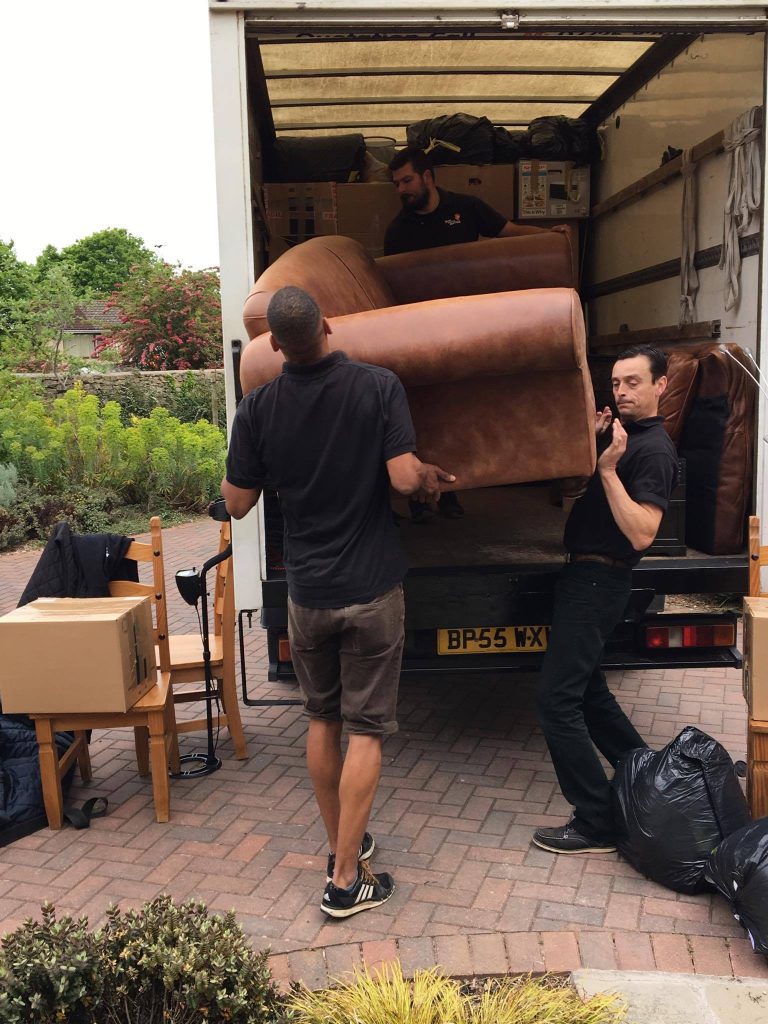
Once the artwork was ready to be packed, four members of our team worked together to position and secure it.
Using four people was not simply about having additional manpower.
It allowed the weight and dimensions of the painting to be managed more effectively, helped keep the item supported and gave the team greater control throughout the packing process.
This is where careful planning before moving day becomes especially important.
Careful Handling Starts Before the Van Arrives
Professional removals are often judged by what happens between an item leaving one property and arriving safely at another.
With antiques and artwork, however, much of the most important work happens before loading even begins.
We consider factors including:
- The condition and construction of the item.
- Suitable protective packing materials.
- Fragile corners, frames and decorative features.
- The weight and dimensions of larger pieces.
- How many people will be needed to move it safely.
- Access through doors, corridors and staircases.
- How the item will be positioned during transport.
- Whether bespoke crating or additional protection is appropriate.
- How the item needs to be prepared if it is going into storage.
Working through these details means we can plan how an item will be moved rather than having to make decisions while already carrying something heavy, fragile or valuable.
Why Experience Matters With Antiques and Artwork
Antique furniture, paintings, mirrors, sculptures and collectable items can have both substantial financial and personal value.
Some pieces may theoretically be replaceable financially. Others are unique possessions, inherited family items or individual pieces collected over many years.
That changes the way they need to be approached.
Our role is not simply to move something from one address to another. We need to understand what is being moved and provide an appropriate level of protection throughout the process.
That could mean spending longer preparing an item, reinforcing a delicate frame, allocating additional members of the removals team to a difficult lift or arranging a bespoke crate in advance.
Efficiency matters during a removal, but it should not come at the expense of protecting the customer’s belongings.
Attention to Detail Throughout the Move
Careful packing is only the beginning.
The same level of attention needs to continue while items are being carried, loaded, transported, unloaded and eventually placed into a property or storage facility.
Communication between members of the removals team is particularly important when dealing with oversized pieces.
Before lifting a large painting, mirror or antique, everyone involved needs to understand the route and where the item is going.
Tight doorways, staircases, corners and changes in floor level can all affect how an item should be handled.
This becomes even more important where an object is so large that the people carrying it have restricted visibility.
Planning the movement before lifting helps keep the process controlled.
Antique and Artwork Storage During Refurbishment
Major property refurbishment is one situation where specialist packing and storage can be particularly useful.
Leaving paintings, mirrors, antiques and valuable furniture inside a property while substantial building work takes place can expose them to unnecessary risks.
At Ston Easton Park, the collection eventually filled an entire storage pod.
Taking the time to individually prepare the items before removing them from the property meant the collection could then remain protected away from the active refurbishment environment.
This type of service can be useful for private homeowners, hotels, historic properties, interior designers, businesses and collectors undertaking work where valuable contents need to be temporarily removed.
Why Choose Now We’re Moving?
Attention to detail is not something we reserve only for items carrying a large financial value.
It is part of how we approach removals generally.
When antiques, artwork and fragile possessions are involved, however, that approach becomes even more important.
The Ston Easton Park project involved everything from individually protecting oil paintings and reinforcing fragile frames to arranging a bespoke padded crate for a three-metre painting.
It required time, planning, appropriate packing materials and experienced handling.
That is the approach we bring to specialist moves.
If you need to move or store antiques, paintings, mirrors, valuable artwork or other fragile belongings, Now We’re Moving can plan the packing, transportation and storage requirements around the items involved rather than relying on a one-size-fits-all solution.
Whether you are moving home, undertaking extensive refurbishment work or need valuable possessions placed into storage, careful preparation from the beginning can make all the difference.