
Have a question? Get in touch and speak to our expert movers

Barber shop equipment removals need to account for heavy hydraulic chairs, mirrors, workstations, backwash units, reception furniture and smaller tools that all require different handling.
Now We’re Moving supports independent barbers, barber chains, grooming studios and training businesses that need equipment relocated, stored, collected, redistributed or returned after refurbishment work.

A barber shop move is rarely just a furniture move. Hydraulic chairs, wall-mounted stations, oversized mirrors and wash units can be heavy, awkward and difficult to manoeuvre through narrow commercial premises.
We can support wider commercial removals and business relocations, as well as standalone collections of barber equipment.
Planning starts with the equipment list and the building. We look at the number of chairs, the size of their bases, mirror dimensions, doorway widths, stair access, lift access, loading restrictions and whether any equipment needs to be safely disconnected before removal.
A four-chair high-street barber with no rear entrance needs a different move plan from a shopping-centre unit with service corridors or a multi-site business splitting furniture between branches.
The aim is to organise the move around the real equipment and access conditions rather than treating the shop as a standard retail unit.
Barber shops typically combine heavy working equipment with ordinary commercial furniture.
The equipment may include:
Smaller equipment such as clippers, dryers, trimmers, towel warmers and barber tools should be packed separately from heavy furniture.
The handling requirements vary considerably. A waiting bench can usually be moved as conventional furniture, while a hydraulic chair may have a heavy base, protruding footrest and awkward centre of gravity. Mirrors and glass shelving need to remain separated from both.
Grouping equipment by type helps determine the correct protection and loading order.
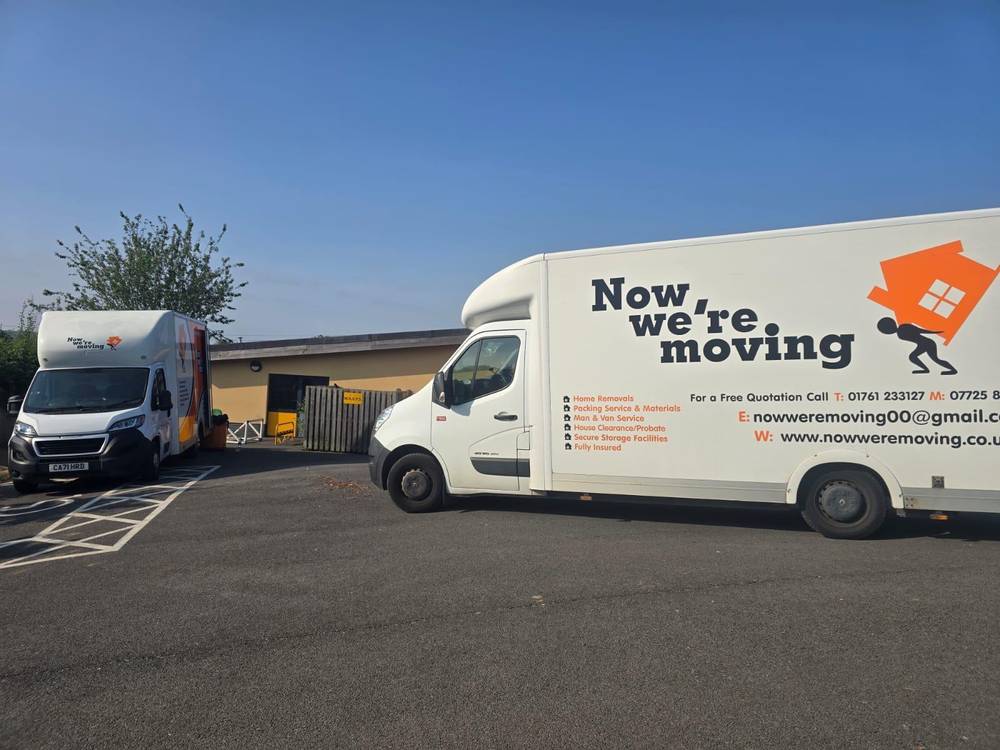
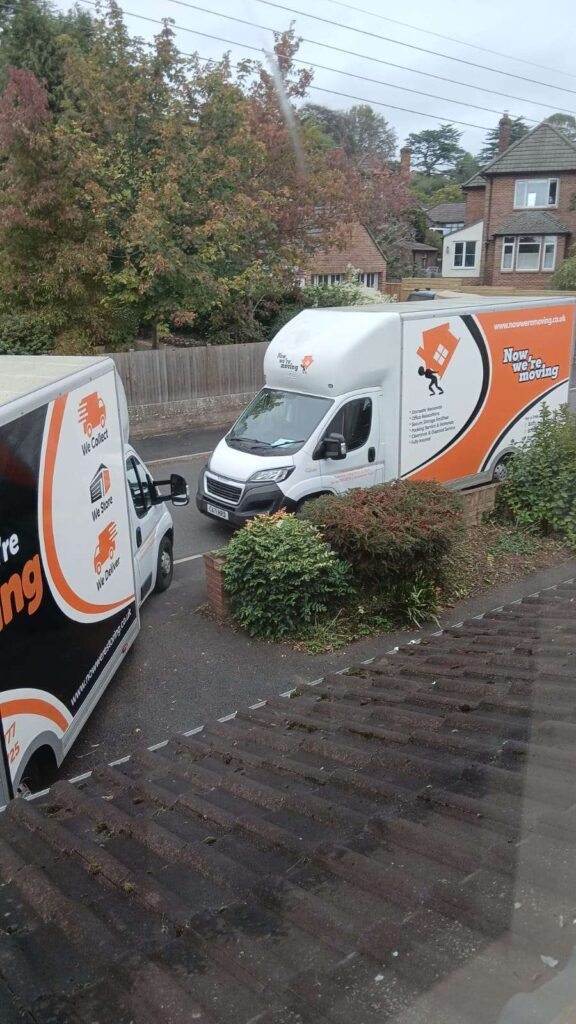
Hydraulic barber chairs can look compact but are often much more awkward than ordinary seating.
The base may be circular or square and wider than the seat itself. Reclining sections, footrests, armrests and detachable headrests can also change the shape of the chair during handling.
Important considerations include:
Older or restored barber chairs may also have decorative metalwork or specialist detailing that needs additional surface protection.
Unlike an office chair, a hydraulic barber chair cannot simply be stacked or treated as lightweight seating. Its shape and weight distribution need to be considered before it leaves the shop floor.
Workstations and mirrors create a different set of risks from chairs.
Barber stations may include integrated drawers, countertops, tool holders, glass shelves and large mirrors. Fixed wall-mounted components should be safely removed by an appropriate person where required before the removal team handles them.
Backwash and shampoo equipment may include:
Any plumbing, drainage or specialist electrical connection should be safely disconnected by an appropriate tradesperson where required.
Once the equipment is ready, the physical move can be planned around ceramic components, fragile fittings, wide chair sections and restricted access.
Mirrors and glass shelving should also be loaded separately from heavy hydraulic chairs to reduce the risk of impact damage.
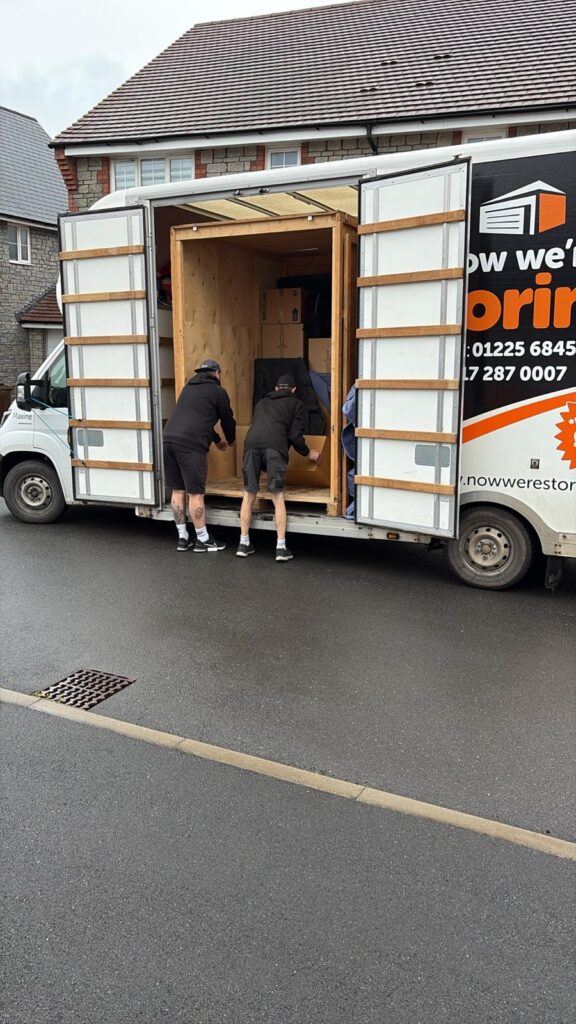


Offering video surveys via WhatsApp or FaceTime means we can now offer quotations nationwide.

Barber shops are often located in buildings where access is more difficult than the shop floor suggests.
Older town-centre properties may have narrow entrances, awkward stairs or no rear service access. Shopping-centre units can have fixed delivery windows and designated routes. Pedestrianised areas may also restrict when vehicles can approach.
We can assess:
A traditional first-floor barber may need heavy chairs routed down stairs, while a modern shopping-centre barber may have straightforward level access but strict timing rules.
Planning the route in advance helps prevent equipment becoming stuck or moved into the wrong sequence.
Preparation should separate heavy working equipment from fragile, loose and valuable items before loading begins.
Drawers should be emptied, barber tools packed, retail products separated and electrical cables secured. Reclining mechanisms and footrests should be controlled, and detachable components kept with the correct chair or workstation.
Where plumbing, fixed electrical work or technical disconnection is required, it should be handled by an appropriate person before the equipment is moved.
For smaller items and vulnerable components, our packing and protection service can complement the main relocation.
Protection may include:
The heaviest equipment should not automatically be loaded beside the most fragile pieces. Loading order should reflect both weight and vulnerability.
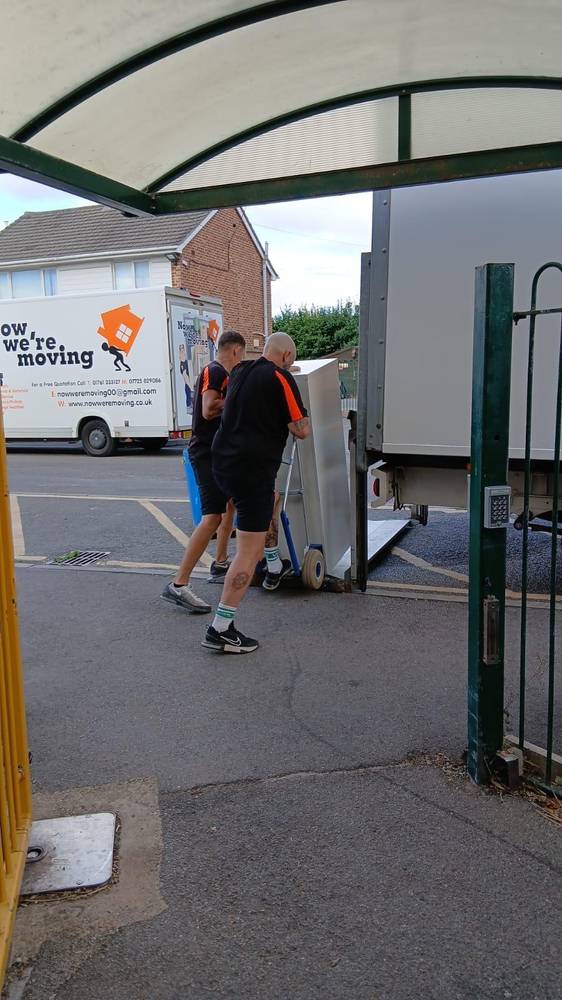
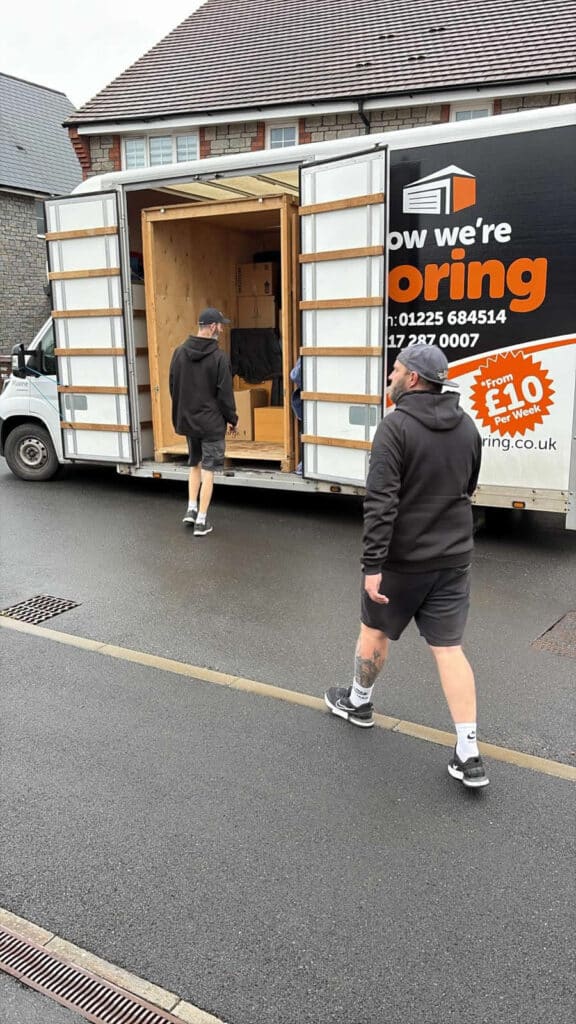
Storage can be useful when a barber shop is being refurbished, waiting for a new lease to start or redistributing furniture between locations.
Our storage and collection service can provide a temporary or longer holding stage between collection and redelivery.
Common reasons include:
Before storage, chairs and furniture should be clean, dry and labelled. Upholstery, chrome, mirrors and electrical equipment should be protected, while drawers and cabinets should be emptied.
Multi-site businesses may also use storage while splitting chairs, workstations and reception furniture between branches.
A shop closing one location, for example, may send some chairs to another branch, place surplus equipment into storage and arrange separate collection of items being sold.
We can move a wide range of barber shop equipment, including hydraulic chairs, styling stations, mirrors, backwash units, reception furniture, waiting-area furniture, storage units and ordinary barber tools and stock.
Connected wash units should be made ready for transport first where specialist disconnection is required.
The move plan depends on the equipment quantity, access and whether items are going to a new shop, storage or multiple destinations.
Yes. Hydraulic barber chairs can be relocated as part of a full barber shop move or as individual items.
Their heavy bases, footrests, reclining sections and uneven weight distribution make them more awkward than standard chairs.
Door widths, stairs and loading access should be checked before moving day so the route is suitable.
Yes. Barber chairs can be difficult to move because their footprint does not always reflect their weight or balance.
Wide hydraulic bases, projecting footrests and reclining backs can make tight corners and narrow doorways challenging.
They also need surface protection for upholstery, chrome and painted finishes during handling and transport.
Yes. Vintage and restored barber chairs can be moved with additional care taken around decorative surfaces, polished metalwork and upholstery.
Older chairs may also have unusual shapes or heavier traditional bases.
The service focuses on physical relocation and protection rather than restoration or appraisal.
Yes. Barber mirrors can be transported once they have been safely prepared for removal.
Freestanding mirrors can be protected as fragile items. Fixed mirrors or wall-mounted stations may need to be removed from the wall by an appropriate person first.
Mirrors should be kept separate from heavy barber chairs and other equipment during loading.
Yes. Backwash and shampoo units can be moved once any required plumbing, drainage or specialist electrical connections have been safely disconnected.
Ceramic basins, integrated chair sections and fragile fittings require different handling from ordinary furniture.
Access should be checked carefully where the unit is wide or installed in a confined wash area.
Yes. Where a backwash unit is connected to fixed plumbing or drainage, it should normally be disconnected by an appropriate tradesperson before physical removal.
Now We’re Moving can then handle the protection, lifting, loading, transport and storage of the prepared unit.
This avoids making unsupported claims about plumbing work while keeping the relocation process clear.
Yes. Barber shop equipment can be placed into storage during refurbishment, lease delays, temporary closures, shop fit-outs or branch changes.
Hydraulic chairs, workstations, reception furniture, mirrors and other equipment should be clean, dry, labelled and protected before storage.
Items can then be redelivered when the new or refurbished premises is ready.