You’re thinking about Midsomer Norton. You want a friendly town, good space, and an easy hop to Bath or Bristol without city prices. You also want clear facts, not waffle—where it sits, what homes cost, and what the area feels like day to day.
Let’s keep it simple. Midsomer Norton sits between Bath and the Mendip Hills, with good links across North East Somerset. You get proper houses with gardens, a walkable high street, and countryside five minutes from your door. It suits families, first-time buyers, and anyone who wants a quieter base with big-city access.
Here you will find the essentials: location, travel times, typical property prices, housing types, ownership patterns, and what those numbers mean in real life. You’ll also get a quick look at schools, green space, shopping, and moving tips—so you can judge whether the town fits your plans and budget.
Where is Midsomer Norton?
Midsomer Norton sits in Somerset, South West England, between Bath and the Mendip Hills. It’s part of the BA3 postcode area and links easily to Bath, Bristol, and Wells.
- Postcode: BA3
- Nearest cities: Bristol (~10 miles), Wells (~10 miles), Bath (~15 miles)
Property snapshot: prices at a glance
The average house price in Midsomer Norton is around £277,654 after strong growth over the last decade. Since 2009, prices have risen by about 36.43%—an average increase of roughly £74,143.
As with most towns, the gap between property types is noticeable: detached homes sit well above semis; terraces and flats are cheaper but move quickly when well located.
- Average sale prices (guide):
- Detached: £349,871
- Semi-detached: £252,643
- Terraced: £206,124
- Flat: £141,871
Treat those figures as a planning guide, not a fixed tariff. Street, condition, plot size, parking, and school catchments all nudge the final number up or down.
Housing mix: what you actually find on the ground
Midsomer Norton leans towards houses rather than blocks of flats, which changes day-to-day living. You see driveways, gardens, and wider streets more often than you do in the city. That suits buyers who want space and value.
- Estimated housing split:
- Detached: 34.6%
- Semi-detached: 30.5%
- Terraced: 23.7%
- Purpose-built flats: 8.3%
- Converted/shared houses or bedsits: 1.5%
- Commercial buildings (with residential above or nearby): 1.4%
For you, that mix means more choice in family-sized homes and fewer high-rise options. If you want a garden and parking, you’re in the right place. If you want a lift-served new-build block, supply is tighter and prices hinge on build quality and position.
Who owns—and who rents?
Ownership dominates here. Around 80% of homes are owner-occupied (outright or with a mortgage), well above the UK average.
Social housing sits below national levels, and the private rental market fills most of the remaining gap. In practice, that gives neighbourhoods a settled feel.
- Ownership guide:
- Owned outright: 37%
- Owned with a mortgage/loan: 43%
- Shared ownership: 0.2%
- Privately rented: 14.2%
- Social rented: 5.7%
- Rent-free: 0.9%
What those numbers mean for buyers
More houses and more owner-occupiers tends to mean quieter streets, front gardens, and longer stays. Semis and terraces give best value; detached homes carry a clear premium, especially on wider plots or close to good schools.
Flats sell on price and practicality—ideal as first steps or bolt-holes—but stock is thinner than in Bath or Bristol.
When you shortlist, look closely at:
- Plot and parking (driveway vs. on-street).
- Condition and energy performance (insulation, glazing, heating).
- Access to the A367 and A37 for Bath/Bristol commutes.
- Walkability to schools, supermarkets, and green space.
- Noise and traffic at peak times—visit at school run and evening rush.
What those numbers mean for renters
Private lets move quickly, especially tidy two-bed houses and modern flats near the centre. Because supply is smaller than in the big cities, it helps to prepare paperwork early and view fast. Check parking rules, storage for bikes, and broadband options if you study or work from home.
Schools, green space, and everyday essentials
You get the basics close by: primary and secondary schools in and around town, supermarkets, independent shops, gyms, and a cinema/leisure park nearby.
The Mendips offer walks and cycle routes; Bath sits close enough for culture, work, and big-ticket shopping. Daily life feels practical: not too far to drive, easy to park, easy to get out into the countryside on weekends.
Getting around
Road links make the town workable for commuters. The A367 connects towards Bath; the A37 heads up towards Bristol. Public transport runs across the area, though most residents use a car for flexibility. If you plan to commute by rail, check nearby station options and parking before you buy.
Buying tips for 2026
Keep the process straight and you’ll avoid delays.
- Get an agreement in principle before you view.
- Price the upgrades you’ll need—kitchen, bathroom, heating—into your offer.
- Ask about roof age, windows, and insulation to judge running costs.
- Order a survey that fits the property (homebuyer vs. full building).
- Visit at different times of day to check traffic, light, and noise.
Renting tips
- Set alerts for two-bed houses and modern flats—those go first.
- Bring ID, references, and proof of income to speed the application.
- Check EPC ratings and heating type to gauge bills.
- Confirm parking and bin/recycling days for the street.
- Photograph meter readings and condition at check-in.
Area feel: who moves here—and why
You see a healthy mix: young families after gardens, upsizers from Bath who want value, downsizers who still want space, and first-time buyers working in Bath or Bristol. The town works because it balances liveability and price.
You can drive ten minutes and hit open countryside—or head the other way and reach a world-class city in under half an hour (traffic willing).
Step-by-step: how to plan your move
- Set your budget and get finance ready. Include stamp duty, surveys, and a repairs buffer.
- Build a shortlist of areas in BA3 that fit your commute and school needs.
- View smart: check storage, parking, boiler age, and loft access.
- Make a realistic offer that reflects condition and upgrades.
- Line up conveyancing early and keep paperwork moving.
- Book removals once dates firm up. Reserve parking; confirm access notes.
- Label rooms and protect floors on move day. Aim for one clean, controlled unload.
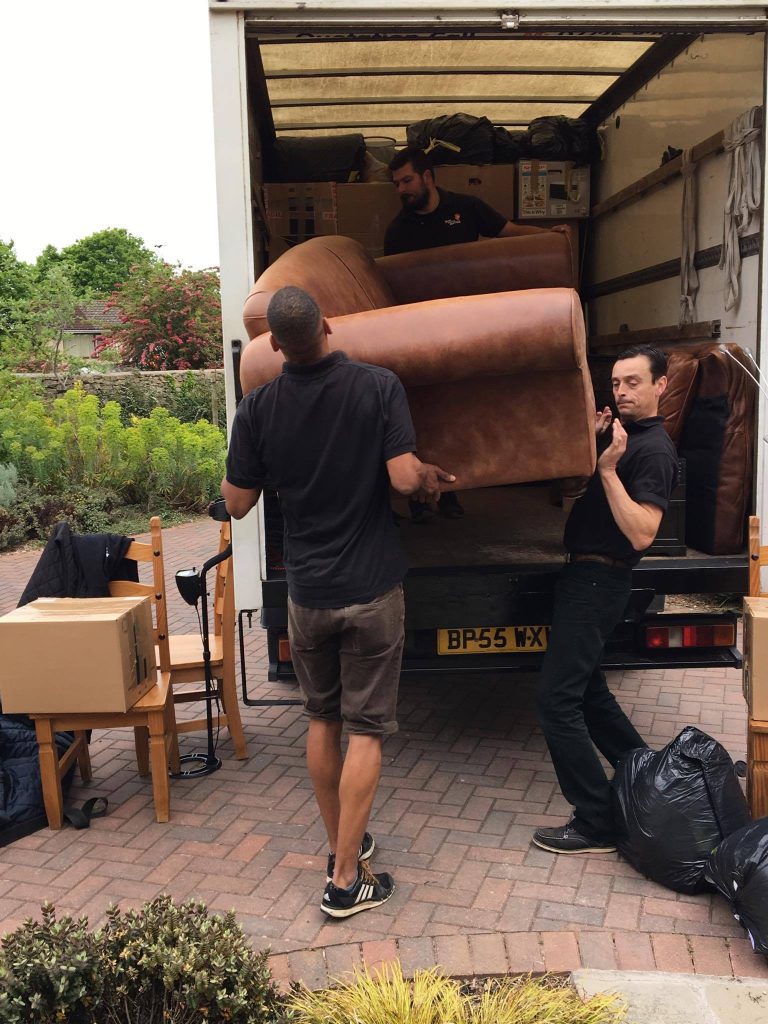
Moving to Midsomer Norton and need an expert removals company?
If you want a calm, organised move into or out of Midsomer Norton, we can help with careful packing, sensible pricing, and a schedule that fits you.
Website: https://nowweremoving.co.uk/
Telephone: 01225 684514
Looking for removals in Midsomer Norton? Get in touch today!