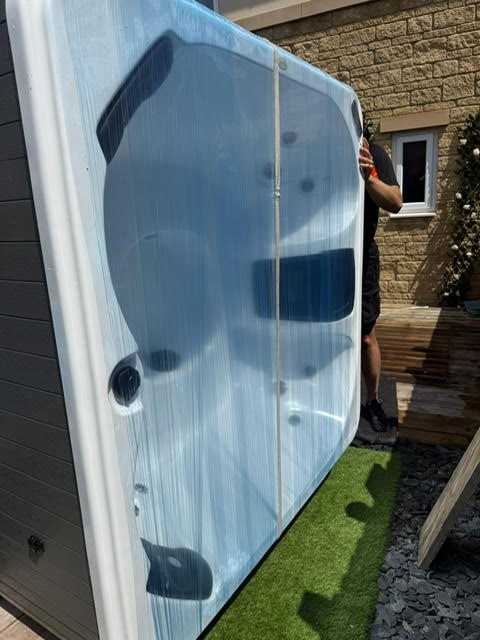
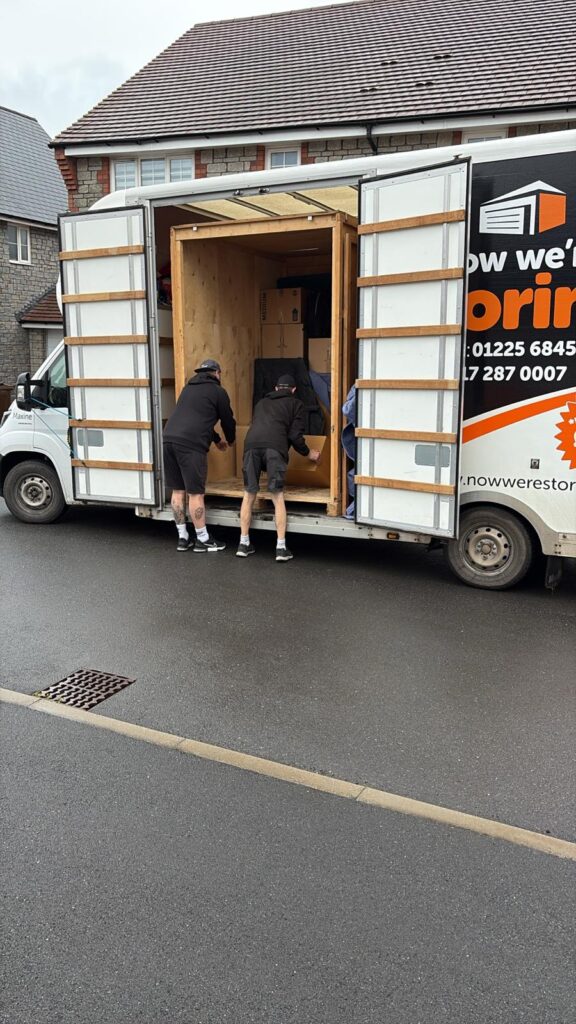
Moving out of shared accommodation can quickly become awkward when nobody is certain who owns the sofa, television, dining table or kitchen appliances. The simplest solution is to list every shared item, it, agree its current value and decide whether it will be kept, sold, divided or bought out.
Sorting this out before moving day gives everyone time to make fair decisions without delaying the removals team or turning a minor disagreement into a serious argument.
What Happens to Shared Furniture When You Move Out?
Furniture and household belongings normally fall into one of four categories:
- Items supplied by the landlord
- Items owned by one housemate
- Items bought jointly
- Items received for free or without a clear owner
Furniture supplied with the property must usually remain there. Your tenancy inventory should show which beds, wardrobes, tables, chairs and appliances belong to the landlord.
Personally owned belongings should leave with the person who bought or brought them. Jointly purchased items require an agreement between everyone who contributed towards them.
Problems usually arise when nobody remembers who paid, different people contributed different amounts or one tenant feels they have a stronger claim because they use the item more often.
You do not need to divide every possession equally. You need to reach an arrangement that everyone considers reasonable.
Start With the Tenancy Inventory
Before discussing ownership, check the inventory provided at the beginning of the tenancy.
A furnished or partly furnished property may include more landlord-owned items than you remember. These could include:
- Beds and mattresses
- Wardrobes and drawers
- Sofas and armchairs
- Dining furniture
- Washing machines
- Fridges and freezers
- Microwaves
- Curtains, lamps and mirrors
Compare the inventory with the furniture currently in the property. Photographs taken when you moved in may also help identify what was already there.
Do not remove, sell or give away anything belonging to the landlord, even if it is old or you believe it has been replaced. Contact the landlord or letting agent when an item is damaged, missing or no longer required.
Checking the inventory first removes landlord-owned furniture from the discussion and leaves you with a clearer list of possessions that actually need to be divided.
Create a Shared Furniture List
Walk through the property room by room and record anything that could cause confusion.
You can create a simple table in a shared document:
| Item | Original Buyer | Amount Paid | Current Condition | Agreed Outcome |
|---|---|---|---|---|
| Living room sofa | Joint purchase | £600 | Good | Housemate staying buys remaining share |
| Television | Alex | £350 | Good | Alex takes it |
| Microwave | Unknown | £70 | Fair | Donated |
| Dining table | Sam and Priya | £200 | Worn | Sold locally |
Include larger possessions first, as these are usually worth more and are harder to move. You can deal with plates, glasses, utensils and other smaller items later.
Take photographs while creating the list. This provides a record of the furniture’s condition and prevents disagreements about damage after somebody has moved it.
Work Out Who Owns Each Item
The person who paid for an item will normally have the clearest claim to it, even when everybody in the property has used it.
Evidence of ownership could include:
- An email receipt
- A bank or card statement
- An online order confirmation
- A message discussing the purchase
- A warranty registered in somebody’s name
- An agreement made when you moved in
Ownership is less obvious when one person ordered the furniture but several housemates transferred money towards it. In that situation, the item may have been treated as a joint purchase.
Try not to base ownership solely on who used something most. One housemate using the television every evening does not necessarily mean the television belongs to them.
Similarly, an item does not automatically belong to the person remaining in the property. They may have the most practical reason to keep it, but they may still need to compensate the other owner or owners.
How Should Jointly Purchased Furniture Be Divided?
Joint furniture can be handled in several ways. The best choice depends on who is leaving, where everybody is moving and whether anyone still wants the item.
One person keeps the furniture
The person keeping it pays the others for their share of its current value. This is often the easiest option when one tenant is remaining in the property.
The furniture is sold
Sell the item and divide the money according to the original contributions. This works well when everybody is leaving or nobody has space for it.
One person takes a larger share of the furniture
Instead of exchanging money, housemates can balance the value across several items. One person might take the sofa while another takes the television, microwave and dining chairs.
The furniture is donated or disposed of
Low-value furniture may not be worth selling or transporting. Everyone can agree to donate it, offer it for free or arrange responsible disposal.
Avoid taking turns choosing items without considering their value. A sofa, television and washing machine are unlikely to be equal to a few lamps and kitchen utensils, even if each person selects the same number of possessions.
Use the Furniture’s Current Value
A shared sofa bought three years ago for £800 is unlikely to still be worth £800. Asking another housemate to repay half of the original price would usually be unfair after several years of use.
Base any buyout on the item’s current second-hand value.
Search local selling platforms for furniture of a similar:
- Brand
- Age
- Size
- Material
- Condition
- Original price
Look at realistic selling prices rather than optimistic listings that may remain online for months.
Suppose two people paid £300 each towards a £600 sofa. Similar used sofas are now selling for approximately £200. If one person keeps it, the other person’s share would be around £100, not £300.
You can also reduce the estimated value when the furniture has stains, scratches, missing parts or significant wear.
The goal is not to calculate a perfect professional valuation. It is to agree on a sensible figure that reflects what the item would realistically sell for now.
What If One Housemate Is Staying?
The tenant remaining in the property may want to keep most of the shared furniture. This can be convenient, particularly when the person moving out is going into furnished accommodation or relocating a long distance.
However, convenience does not remove the other person’s ownership.
Make a list of the jointly owned items the remaining tenant wants to keep. Agree the current value of each item and calculate the departing tenant’s share.
The payment does not always need to be made immediately. You could agree on a payment date or divide a larger amount into instalments, provided everybody is comfortable with the arrangement.
The departing tenant should not feel pressured to abandon valuable furniture simply because moving it would be difficult. Equally, the person staying should not be expected to buy furniture they do not want.
Unwanted items can still be sold, donated or removed before the tenancy changes.
What If Everyone Is Moving Out?
When the whole household is leaving, you will need to decide which items are going to each new address.
Ask everyone to identify:
- What they originally owned
- Which joint items they would like to keep
- Whether the furniture will fit in their new home
- How much moving it will cost
- Whether they need temporary storage
Measure large furniture before assigning it. There is little benefit in arguing over a wardrobe that will not fit through the entrance to somebody’s new flat.
Consider the removal cost as well as the item’s value. Paying to move a heavily worn sofa may cost more than replacing it later.
Once the useful items have been divided, arrange the sale or disposal of anything left behind. Do not assume another tenant will deal with unwanted furniture after you have collected your own belongings.
Decide What to Sell, Donate or Remove
Not every item needs to follow somebody to their next home.
Selling can be worthwhile when the furniture is clean, functional and likely to attract a local buyer. Start advertising it early, as bulky furniture may take time to sell.
Take clear photographs, include accurate measurements and describe any damage honestly. State whether the buyer must dismantle or collect the item.
Furniture that has little resale value may be suitable for donation. Some charities accept usable furniture, although collection conditions can vary. Upholstered items may need the appropriate fire safety label before they can be accepted.
Damaged or unusable furniture may require a council bulky-waste collection or a licensed waste removal service. Do not leave unwanted furniture outside the property, beside communal bins or on the pavement.
Agree who will arrange each collection and whether any disposal cost will be shared.
Do Not Forget Smaller Household Items
Arguments do not only happen over expensive furniture. Shared kitchens often contain dozens of smaller purchases that have accumulated throughout the tenancy.
These can include:
- Pans and baking trays
- Cutlery and utensils
- Plates, bowls and glasses
- Kettles and toasters
- Cleaning equipment
- Lamps and extension leads
- Bedding and towels
- Decorative items
Start by returning anything with a clear owner. Divide genuinely shared items according to what each person needs in their next home.
You may find it easier to create several groups, such as kitchenware, cleaning products and decorations. Each housemate can choose from one group at a time.
Do not spend hours debating possessions with very little financial or personal value. Replacing a basic wooden spoon may cost less than the time and tension involved in arguing about it.
Handle Sentimental Items Separately
Financial value is not the only consideration. An inexpensive chair inherited from a relative may matter far more to one person than a newer piece of furniture.
Mention sentimental connections early. Most reasonable housemates will recognise that an item with personal or family significance should remain with the person connected to it.
Problems can occur when an item was received as a gift for the household or for a couple. Think about who the gift was addressed to, why it was given and whether the person who gave it expressed a clear intention.
When both people feel strongly about an item, look for a compromise. One person might keep it while the other receives a different possession or a payment towards their share.
Put the Agreement in Writing
Once you have agreed what will happen, create a written record.
This does not need to be a complicated contract. A shared message, email or document can confirm:
- Who is taking each item
- Which furniture is being sold
- How sale proceeds will be divided
- How much one person will pay another
- When payments will be made
- Who is arranging collection or disposal
- Which items must remain for the landlord
- The date everything must be removed
Ask everyone involved to confirm that they agree.
Written confirmation reduces the risk of somebody changing their mind shortly before moving day. It also helps when different people are moving on different dates.
Update the agreement when an item fails to sell or a planned collection is cancelled.
Plan Your Furniture Removal Before Moving Day
Planning the furniture removal early also gives everyone time to decide what will be transported, sold, donated or disposed of before moving day.
Check:
- Doorway and staircase measurements
- Lift access and booking requirements
- Parking restrictions
- Furniture dismantling instructions
- Protection for floors and walls
- The availability of suitable transport
- Whether professional removers are needed
Do not wait until moving day to discover that a bed frame must be dismantled or a sofa will not fit around the stairwell.
Label dismantled parts and place screws, brackets and fittings in sealed bags. Tape the bag securely to the item or place it in a clearly marked box.
If several housemates are moving on the same day, create separate areas for each person’s belongings. This reduces the chance of boxes and furniture being loaded into the wrong vehicle.
What If You Cannot Agree?
When discussions become tense, pause rather than making decisions during an argument.
Return to the evidence. Review receipts, payment records, messages and the tenancy inventory. Separate clear personal belongings from genuinely disputed items.
For jointly owned furniture, compare its current value and consider whether selling it would be fairer than allowing either person to keep it.
You could also ask a neutral friend or housemate to help organise the discussion. Their role should be to keep the conversation focused, not decide who deserves an item.
Where the value is relatively low, consider whether continuing the dispute is worthwhile. Protecting your time, wellbeing and relationship may matter more than receiving the maximum possible amount from every possession.
How to Prevent Furniture Disputes in Your Next Shared Home
Future problems are easier to prevent when ownership is recorded from the beginning.
When moving into another shared property:
- Record who bought each major item
- Keep digital copies of receipts
- Avoid unclear cash contributions
- Agree what happens if somebody leaves
- Review ownership when a new housemate moves in
- Keep landlord-owned furniture on the inventory
- Discuss joint purchases before ordering them
You could assign different purchases to different people. One housemate buys the sofa, another buys the television and another buys the dining table. Each person then keeps their own item when moving out.
When buying something jointly, record the contribution made by each person and how its future value will be divided.
It may feel unnecessarily formal when everybody is getting along, but a short written note can prevent a much more uncomfortable conversation later.
Moving Out Without Falling Out
Moving out of shared accommodation does not need to end with an argument over furniture. Begin with the tenancy inventory, identify who owns each item and agree a fair current value for anything bought jointly.
Deal with valuable furniture first, then work through smaller household belongings. Sell, donate or responsibly remove anything nobody wants, and confirm the final arrangement in writing before moving day.
A sofa or television can be replaced. A peaceful move, a returned deposit and a respectful ending to the tenancy are often worth much more.