
Have a question? Get in touch and speak to our expert movers

Veterinary practice furniture, prepared clinical equipment and temporary storage for planned surgery moves and refurbishment projects.
Veterinary equipment removal and storage involves moving suitable prepared treatment furniture, reception fittings and practice contents between premises or into temporary storage. Now We’re Moving can discuss the physical collection, packing and transport of items after their clinical, electrical and hygiene requirements have been addressed.
From consulting rooms to reception areas, we plan around equipment inventories, access routes and the dates your veterinary team needs rooms back in use. Specialist medical-device commissioning and regulated materials are outside ordinary furniture removals.
Discuss your veterinary practice move with Now We’re Moving.
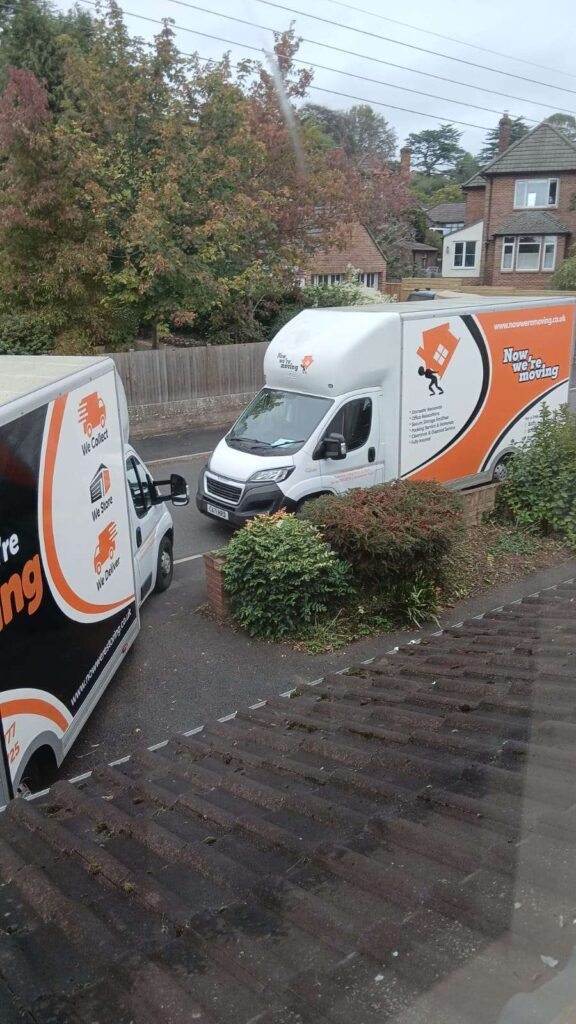
Moving a veterinary surgery is different from moving a general office. Consulting tables, examination-room furniture, storage cupboards and reception fittings may need relocating while appointments, animal welfare and infection-control arrangements remain under the practice’s control.
We begin with an item-by-item discussion: which contents are freestanding, which are fixed, which must be professionally decommissioned, and what can be transported without affecting clinical safety. Veterinary equipment that has not been released for transport by the responsible practice or technician should remain in place.
Where the project involves wider administration areas, our commercial premises removals can be considered for desks, filing and everyday office contents. A move can be split by room if the operating timetable requires it.
Ask about moving your veterinary surgery furniture. You can also contact our team.
Suitable veterinary equipment removals may include clean, prepared, non-hazardous items, subject to size, weight and handling requirements. The final scope must be confirmed before booking.
Installed X-ray systems, anaesthesia machines, piped oxygen, sterilisation units and laboratory analysers may require qualified contractors, manufacturer instructions or specialist logistics. Medicines, samples, sharps, clinical waste and live animals are not part of an ordinary removals quotation.
Send us your veterinary equipment inventory. You can also contact our team.
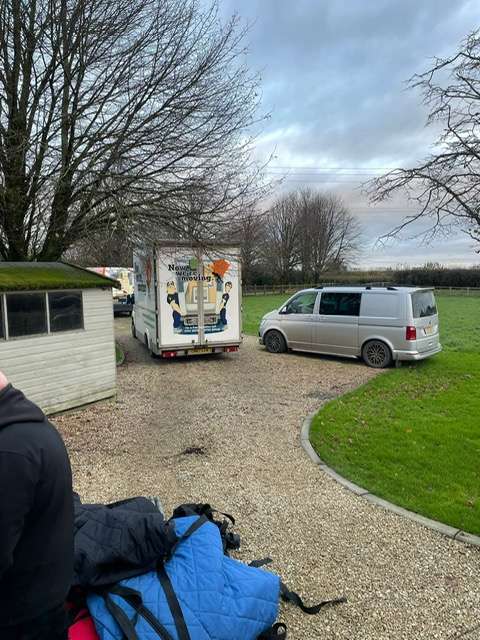

Before a veterinary clinic relocation, the practice should confirm that equipment is no longer needed for patient care and has been cleaned, decontaminated where necessary and formally released for collection. The clinical team should decide what needs professional disconnection and what can remain intact.
We can discuss ordinary protective packing for suitable contents; crate hire may help organise non-clinical accessories and office materials. Do not use general removal crates for contaminated items or unapproved medical substances.
Plan the preparation and collection stages. You can also contact our team.
A veterinary practice may have narrow corridors between treatment rooms, heavy examination furniture, patient-facing entrances and limited delivery access. Those conditions affect which items can be moved safely and how long loading may take.
We discuss door widths, lift capacities, stairs, parking, floor finishes and collection routes. Practice management should separate removal activity from clinical areas still treating animals and confirm infection-control procedures appropriate to the premises.
Our video survey service may help gather initial access information, although particularly heavy or complex items may still require a physical assessment.
Talk through access at your practice. You can also contact our team.


Offering video surveys via WhatsApp or FaceTime means we can now offer quotations nationwide.
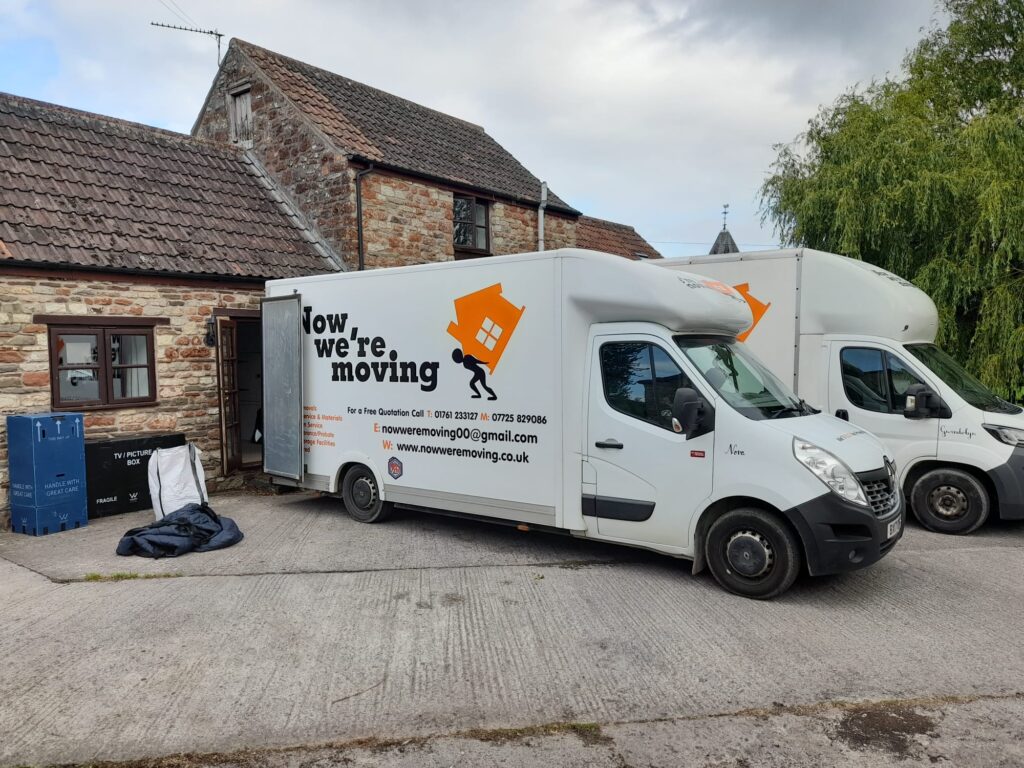
Examination couches and reception furniture require different protection from delicate electronic instruments. Transport preparation should reflect the item’s materials, moving parts and manufacturer’s handling limits.
Where permitted, clean furniture can be wrapped to protect upholstered surfaces and corners. Freestanding carts should have drawers and detachable parts secured, while fragile instruments should use approved cases or packaging specified by the practice or manufacturer.
For suitable general furniture and boxed items, our packing materials information may be useful. We do not assume standard wrapping is suitable for sensitive diagnostic equipment.
Discuss protective handling for your items. You can also contact our team.
A practice refurbishment can require several rooms to be cleared before the new flooring, cabinetry or services are finished. Temporary veterinary equipment storage can bridge the gap between collection and redelivery, provided the items are suitable for the available facilities.
Storage must be checked carefully for electronic medical devices, sensitive materials and equipment needing particular temperature, humidity or security conditions. The practice remains responsible for identifying those requirements; not every item should enter general storage.
Our business storage options provide a starting point for discussing suitability, collection and redelivery arrangements.
Ask for a removal and storage quotation. You can also contact our team.

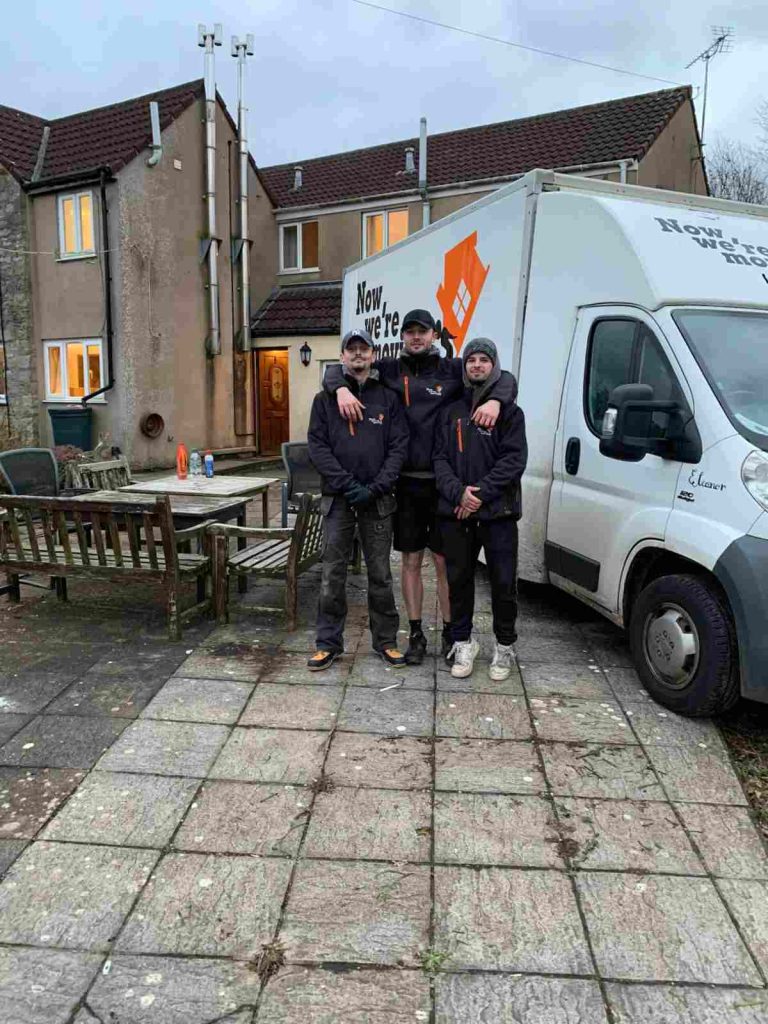
Practice relocation dates often depend on refurbishment contractors, utility work, equipment engineers and the opening date of the new surgery. A removal timetable should separate furniture collection from the specialist validation needed before clinical work resumes.
For example, non-clinical reception furniture could be moved ahead of a planned closure, while an authorised technician handles equipment disconnection on a different day. Those are possible planning approaches, not claims about a particular project or a guaranteed moving schedule.
Our commercial relocation information covers broader business moves, while the veterinary equipment plan should clearly document technical exclusions.
Get in touch to discuss your practice timetable. You can also contact our team.
Answers to common questions about moving and storing veterinary practice furniture and prepared equipment.
How much does veterinary equipment removal and storage cost?
There is no single standard price. A quotation depends on the item inventory, handling needs, access, journey distance, moving dates and whether a suitable storage period is required. Send us photographs and approximate dimensions so we can discuss the work accurately.
Can you move veterinary examination tables and treatment couches?
We can assess clean, prepared examination tables and treatment couches for physical transport. The practice should confirm whether they are fixed or powered, their weight and whether a competent person must disconnect or prepare them before collection.
Do you disconnect veterinary X-ray or anaesthetic equipment?
No specialist clinical decommissioning, isolation, calibration or recommissioning should be assumed within a standard removals service. The practice must arrange appropriately competent technicians and provide confirmation that any equipment is safe to transport.
Can veterinary surgery furniture be stored during renovation?
Temporary storage may be suitable for clean, non-hazardous furniture and prepared contents. Sensitive medical devices may need controlled conditions or manufacturer-approved storage; suitability and cover must be confirmed before collection.
Can the move be arranged around veterinary appointments?
We can discuss collections and deliveries around the practice timetable, subject to availability and access. Clinical operations, animal movements and infection-control decisions remain with the practice.
What must be removed from equipment before collection?
The veterinary team should remove medicines, clinical waste, sharps, samples, fluids and any other restricted contents, and arrange proper cleaning and technical isolation where required. We will need to know of any particular weight or handling constraints.
Can you relocate an entire veterinary practice?
We can discuss the physical relocation of suitable furniture, non-clinical contents and authorised prepared equipment. Clinical systems, controlled substances, animals and specialist reinstallation require separately appointed services as appropriate.
What information do you need for a veterinary removals quote?
Please provide both addresses, preferred dates, item photographs and dimensions, floor levels, lifts and parking details, storage requirements, and which items have been professionally disconnected or approved for transport. Call 01225 684514 or use our contact form.