
Have a question? Get in touch and speak to our expert movers

Spa equipment removals and temporary storage for hotel spas, treatment centres, wellness venues and refurbishment projects.
Now We’re Moving offers spa equipment removal and storage for premises changing location, renewing treatment rooms or clearing space for building work. We can assess the physical collection and transport of suitable treatment beds, salon furniture, reception fittings and prepared equipment.
Spa moves need more than a furniture list: access, fixed connections, delicate finishes and the date equipment is needed again all affect the plan. Electrical, plumbing and manufacturer-specific technical work must be undertaken by an appropriately competent person.
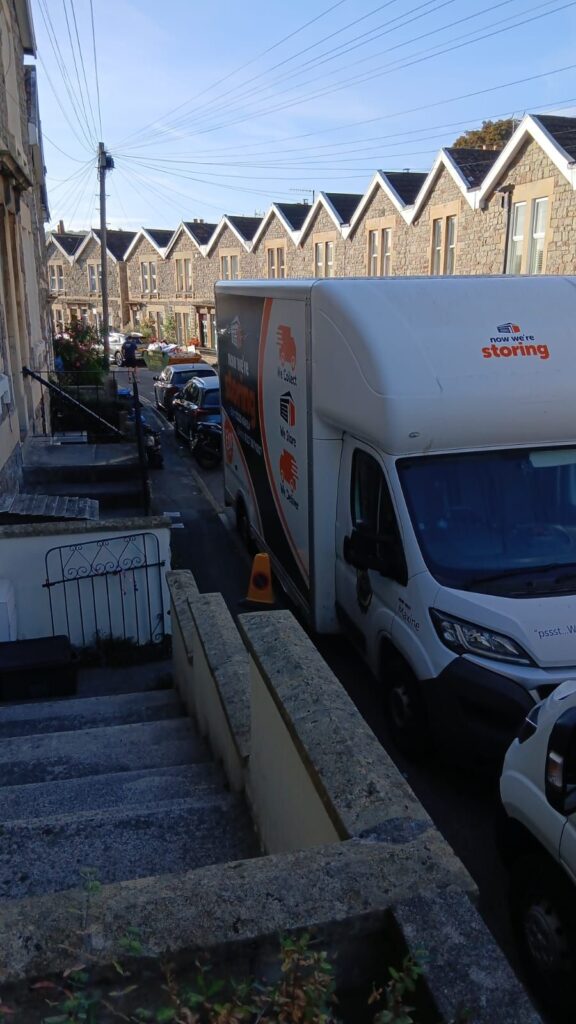
Spa equipment removals involve the planned collection, protection, loading and transport of treatment furniture and suitable prepared equipment. A hotel spa changing its room layout, a wellness centre moving premises and an independent treatment business replacing furniture may each require a different approach.
We start by separating free-standing items from equipment connected to water, waste, electrical or building systems. A portable treatment couch is different from a fixed hydrotherapy unit, and a reception cabinet has different lifting requirements from a motorised treatment bed. This distinction helps establish what our removals team can handle and what needs a specialist contractor first.
For larger premises changes, our logistics support services may be relevant to coordinating collection and delivery. We assess the proposed inventory, loading access and timing before confirming the scope.
The items suitable for transport depend on their weight, dimensions, condition and whether they have been properly disconnected. Typical contents to assess include:
Saunas, steam rooms, hydrotherapy baths, permanently installed basins and plumbed-in equipment need a separate technical assessment. Dismantling a fixed installation or making it safe is not automatically included in a removals quotation. The same distinction applies to moving a freestanding spa cabinet versus disconnecting an integrated treatment station.
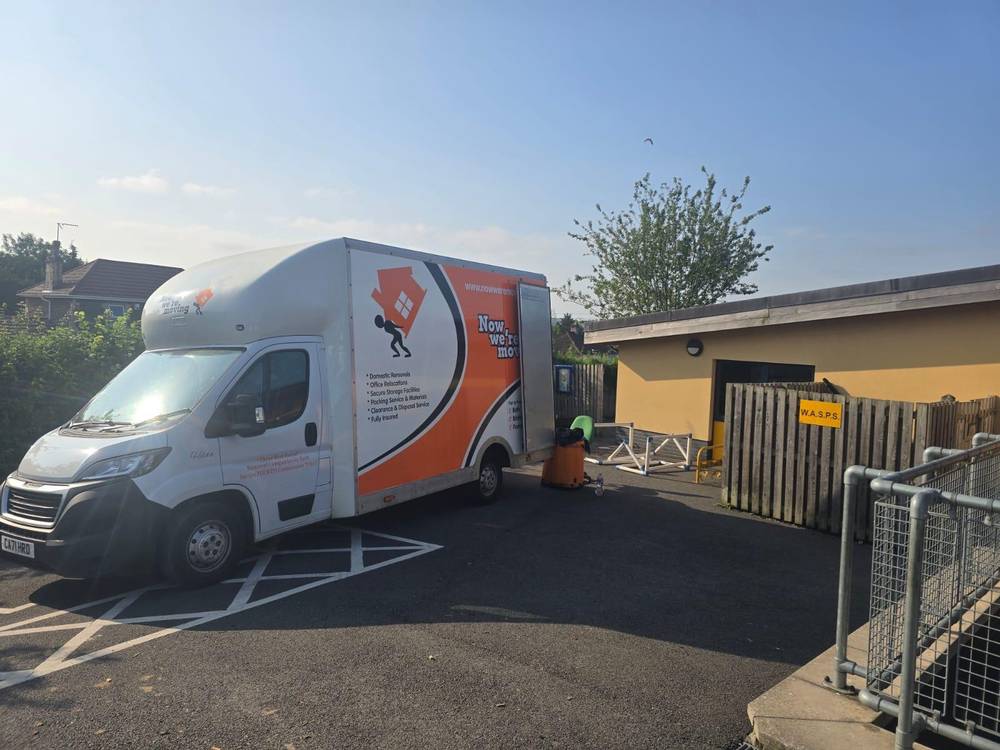

Electric treatment beds can have heavy bases, articulated sections, controls, cables and delicate upholstery. The moving method should reflect the model and its manufacturer’s transport guidance, not just the dimensions of the treatment surface.
Before collection, the owner or equipment technician should establish whether the couch can be safely moved as one unit or whether an authorised disassembly procedure is required. We also need to know whether it has a locked or designated transport position.
Where specialist protection is appropriate, our white glove removals page describes a related approach to handling vulnerable items. The exact scope and insurance arrangements must be agreed before work begins.
Preparation is especially important in treatment environments because equipment may be exposed to water, oils, creams, cleaning products and repeated daily use. Items going into a removal vehicle or storage should be clean, dry and suitable for packing.
Before we arrive, the venue should arrange the safe isolation of fixed electrical and plumbing connections and confirm that tanks, reservoirs and other fluid-containing components have been drained where required by the manufacturer. Staff should remove consumables, medicines, hazardous chemicals and confidential customer records from equipment scheduled for collection.
Our packing and unpacking services may help with appropriate smaller contents. Any manufacturer-specified protective packaging should be arranged for delicate devices.
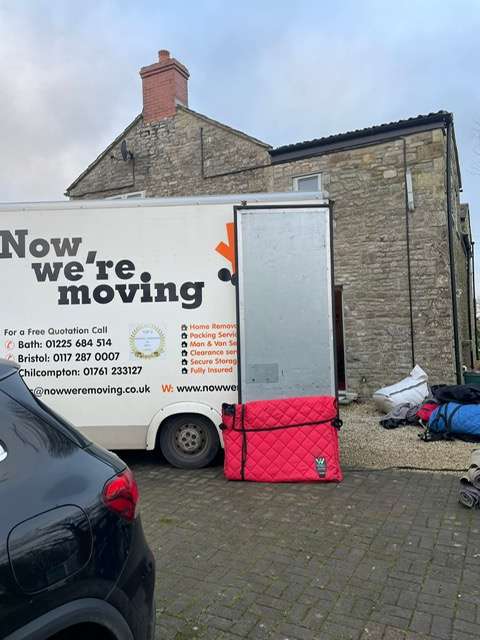


Offering video surveys via WhatsApp or FaceTime means we can now offer quotations nationwide.

Spa rooms can be hidden behind narrow corridors, changing areas, basement routes or lifts designed primarily for guests. A large treatment bed may fit inside a room but not around a corridor turn. An early access assessment helps identify this before the planned collection day.
We consider:
For initial measurements and access discussion, our video surveys may be useful. Complex routes or particularly heavy equipment can still require a separate on-site assessment or specialist lifting arrangement.
When treatment rooms are being redecorated, floors replaced or a new venue is not ready, moving equipment directly between premises may not be possible. Temporary storage can provide a practical gap between collection and redelivery for suitable items.
Storage suitability depends on the item and the proposed environment. Upholstered couches and wooden furniture should be dry and clean before wrapping. Sensitive electrical devices may have manufacturer requirements for temperature, humidity, battery handling or storage orientation. These need to be disclosed and checked rather than assumed.
See our business storage services for related options. We will need the inventory, estimated duration and any special storage conditions to assess suitability.

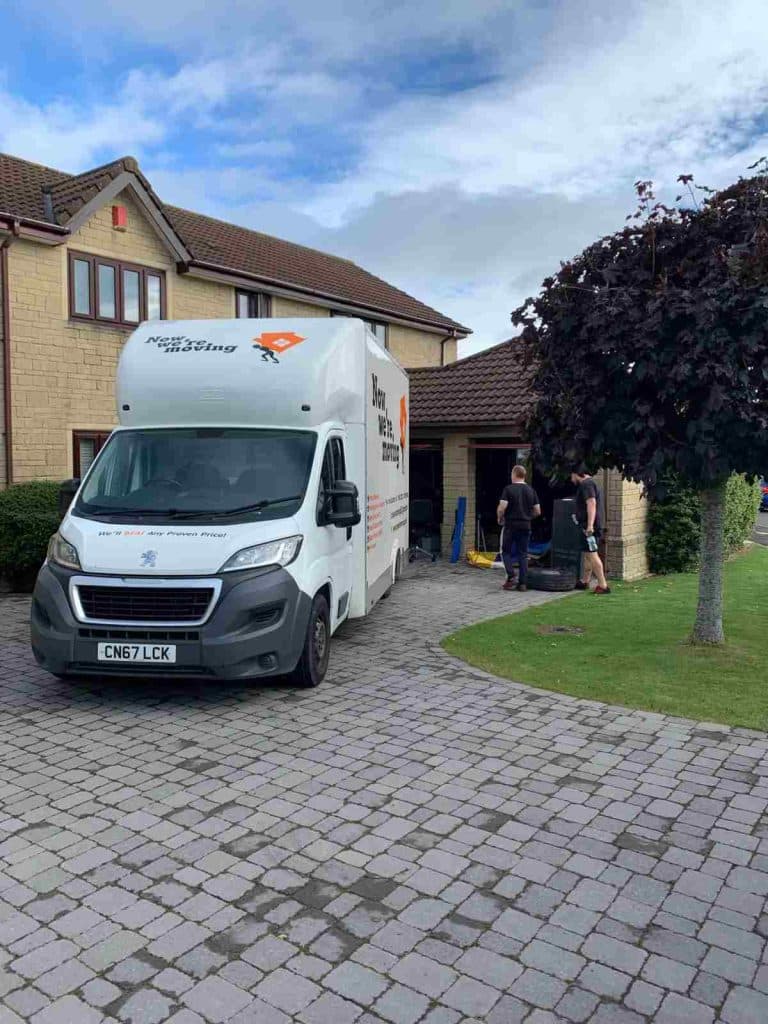
A spa may need to continue operating while a room is cleared, or close for a defined period while equipment is moved. The order in which rooms are emptied can matter as much as the overall transport distance.
For example, a venue replacing reception furniture and three treatment rooms might schedule public-area clearance separately from treatment-couch collection. Equipment required for the earliest reopening can then be identified on the destination inventory. This is an illustrative planning example, not a claim about a completed job.
To prepare a realistic plan, we need a named site contact, confirmed access, the equipment list, collection and delivery dates, any contractor handovers, and details of what must be operational first. We can then discuss whether a single collection or a phased move is more suitable.
Customers managing a wider renovation may also find our internal moves and relocations service relevant where items only need to move within the same building.
Pricing is based on the item list, dimensions, approximate weights, access conditions, travel distance, crew requirements and any storage period. Powered or fixed equipment requiring specialist preparation can affect the scope. Contact us with photographs and both addresses for a tailored quotation.
We can assess a single treatment couch or a small collection of suitable prepared items; a whole-spa move is not necessary. Please provide its make or model, weight, size, access details and any manufacturer transport instructions.
Some adjustable and motorised beds can be transported once properly prepared, but this depends on the model and safe handling instructions. Qualified technicians should carry out any specialist electrical disconnection, technical dismantling or recommissioning needed before and after the physical move.
Suitable clean, dry furniture may be accepted for temporary storage following an assessment. For electronic, upholstered or moisture-sensitive items, tell us about any required environmental conditions so we can confirm whether the proposed storage arrangement is appropriate.
We can discuss collection from one spa and delivery to another, including hotel or wellness-centre premises. A room-by-room inventory and access information at both ends help us plan where equipment should be unloaded.
Remove consumables and loose accessories, identify fittings, and arrange safe isolation of water and electrical connections by a competent person where needed. Large equipment should be cleaned, dried and prepared according to its manufacturer’s instructions before collection.
Evening or weekend work may be possible by arrangement, subject to staff availability and site restrictions. Let us know the appointment schedule, planned closure dates and any restrictions on loading or noise when requesting a quote.
Heavy equipment may require a detailed lifting and access assessment. We need reliable weights, dimensions, fixing details and a clear handling plan. Some fixed installations or unusually heavy items may require specialist contractors and lifting equipment outside the normal removal service.