
Have a question? Get in touch and speak to our expert movers

Optical practice equipment, dispensing displays and consulting-room furniture moved between premises or placed into temporary storage.
Optician equipment removal and storage involves more than moving shop furniture. Optical practices need a controlled plan for fragile testing instruments, labelled stock, examination-room contents and the safe handover of premises.
Now We’re Moving can discuss physical collection, transport and storage of suitable equipment already disconnected and prepared by the practice or its technicians. Clinical device calibration and installation remain with qualified specialists.
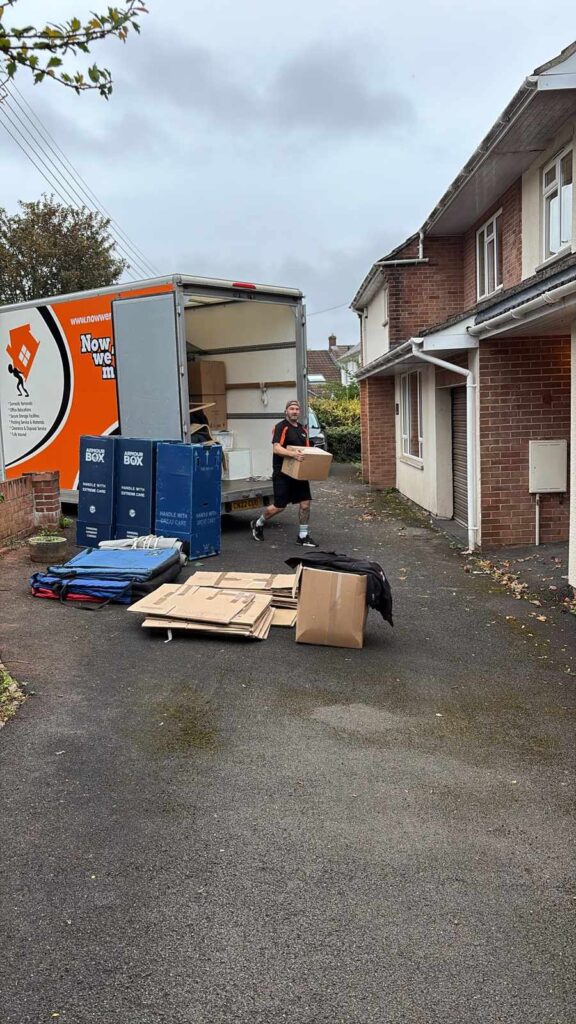
An optical practice relocation often combines front-of-house shopfittings with sensitive consulting-room equipment. The moving plan should distinguish ordinary furniture from devices that require manufacturer-approved disconnection, specialist packaging and testing after delivery.
We can discuss collections from independent opticians, optical retailers and practice groups moving to new premises, refurbishing a dispensing area or consolidating locations. Reception desks, freestanding displays, chairs and packed non-clinical contents may be suitable for standard furniture removals once access and weight are checked.
The practice should nominate a contact responsible for equipment records, patient information and clinical technicians. Our office and commercial moves service provides related planning context for workplace contents.
Items suitable for collection depend on their condition, dimensions and whether the manufacturer requires trained handling. For a quotation, separate the contents into furniture, retail stock and specialist optical devices.
Wall-fixed units, heavy optical testing tables and equipment with powered lift mechanisms may need installers before collection. We would not assume that an OCT scanner, visual-field analyser or edging machine can be moved without a manufacturer-approved process.


Optical diagnostic instruments can be sensitive to vibration, tilt and shock. An optical coherence tomography (OCT) scanner, fundus camera or visual-field analyser should be assessed individually rather than packed as an ordinary desktop appliance.
The practice, supplier or trained engineer should decide whether the instrument needs locking, transport restraints, original transit packaging or removal of accessories. Serial numbers and existing condition should be recorded before handover.
Our role would be the agreed physical movement of prepared items. We do not represent this as clinical device servicing or recalibration.
The dispensing area is typically both a sales space and a working environment. Even short moves can disrupt frame stock, glazing orders and appointment schedules if displays are cleared without a location plan.
Freestanding display cabinets should be emptied where practical, with glass shelves and removable mirrors protected separately. Frames can be grouped by brand, collection or shelf location in labelled cartons so the team can rebuild stock organisation after the move.
For bespoke joinery, confirm whether displays are fixed to the walls or powered for illumination. An electrician or shopfitting contractor may need to isolate lighting and detach fittings. Packing and unpacking assistance may be relevant for suitable general contents, subject to agreed scope.


Offering video surveys via WhatsApp or FaceTime means we can now offer quotations nationwide.

High-street optical practices often have restricted loading areas, glass shopfronts or narrow back-of-house corridors. A move should begin with measurements, not assumptions about what will fit through the entrance.
A premises survey helps identify lifting restrictions and loading arrangements. Where a move spans several days, the practice should decide which testing rooms must remain operational until the final appointment.
Before moving day, create two inventories: one for general furniture and stock, and another for optical instruments requiring a specialist handover. This reduces the chance that a vital calibration accessory or unique cable is loaded into the wrong box.
Do not leave patient records, medicines or controlled materials in general removal cartons without an approved handling arrangement. Our general removals information also explains common furniture-handling considerations, although clinical instruments need their own plan.

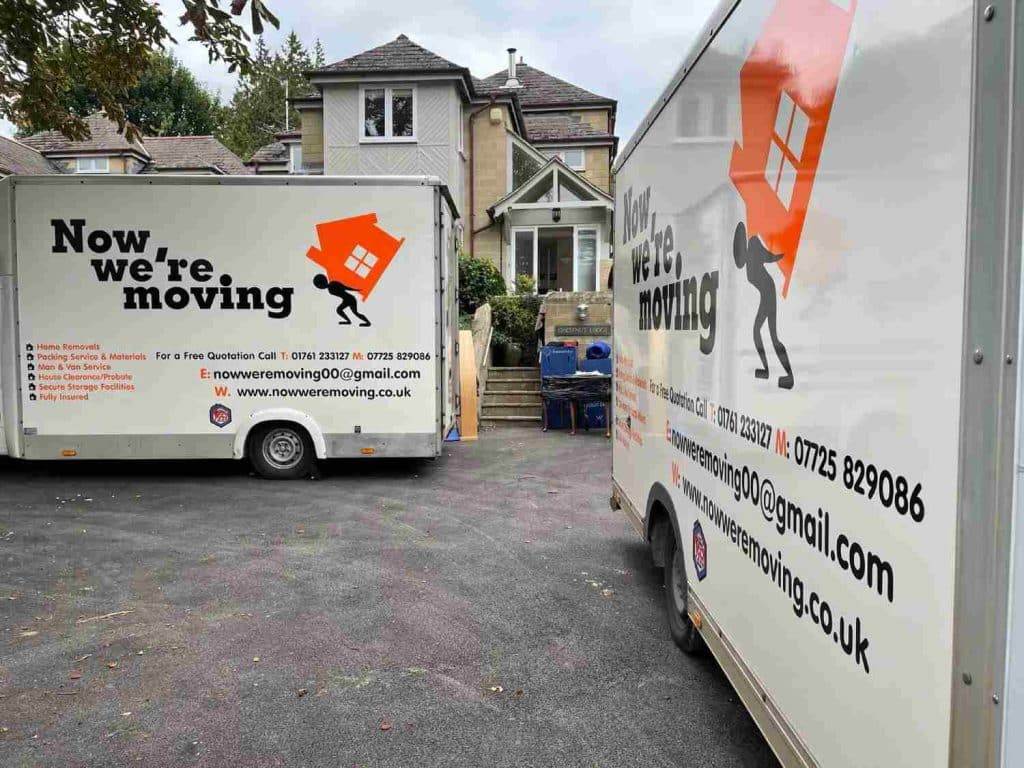
Storage can help when new shopfittings are being installed before the practice reopens. For example, freestanding display furniture and packed retail accessories could be collected first, held off-site and delivered back when flooring and decorating are finished.
Clinical instruments need closer assessment. The manufacturer may specify temperature, humidity, upright orientation or other environmental limits. Such requirements must be confirmed before storage is agreed; ordinary storage should not be assumed suitable for every optical device.
Ask whether the delivery schedule can be divided into dispensing furniture, stock and prepared consulting-room equipment. Our storage collection service provides related information about collecting belongings for storage.
Answers for optical practices planning a refit, change of premises or equipment collection.
The price depends on equipment size, the number of display units, floors and access, travel distance, protective packing and whether storage is needed. A detailed list and photographs help us assess the work.
We can discuss transporting a prepared instrument, but the supplier or suitably trained technician must confirm safe disconnection, locking, approved packaging and any subsequent calibration. Suitability is assessed before collection.
Fixed joinery and illuminated fittings may require the practice’s shopfitter or electrician to detach them safely. We can then assess the prepared components for physical transport.
Weekend or out-of-hours collections can be discussed subject to availability, site access and the agreed work. Allow a separate period for technical installation and testing before patient appointments resume.
Only where the storage environment, packaging and handling conditions suit each device and have been confirmed in advance. Precision instruments may have manufacturer-specified restrictions.
Packed frames, accessories and general retail stock may be included in a move. We recommend labelled stock cartons and an itemised handover so products return to the correct shelving and dispensing area.
The practice should arrange the manufacturer, supplier or appropriately qualified optical equipment technician. Our removal arrangements do not include clinical testing, device calibration or commissioning unless specifically agreed with qualified specialists.
Please provide the collection and destination addresses, dates, equipment list, approximate dimensions and weights, photographs, access information, packing needs and whether any items require interim storage.