
Have a question? Get in touch and speak to our expert movers

Medical equipment removal and storage for clinics, treatment rooms, healthcare offices and refurbishment projects.
Medical equipment removal and storage requires a clear inventory, suitable handling arrangements and careful separation of ordinary furniture from devices requiring clinical or technical expertise.
Now We’re Moving can discuss transport and temporary storage of suitable, decontaminated and correctly prepared items, from examination couches and cabinets to office furniture and boxed non-sensitive accessories. Specialist devices must be assessed and made safe by the healthcare provider or its appointed technicians before collection.
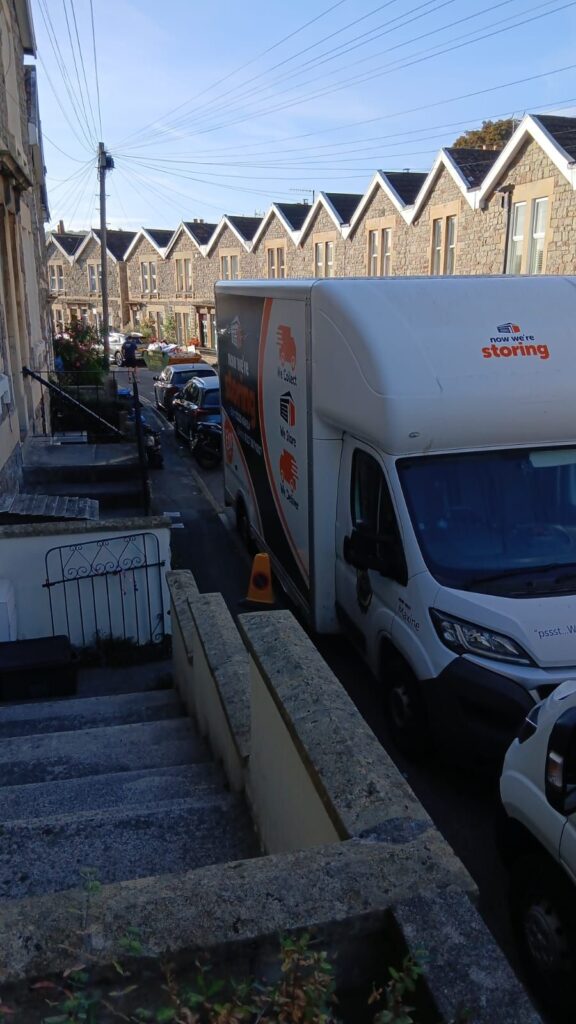
A medical premises move may involve examination rooms, reception areas, consulting offices and equipment stores. We focus on the physical logistics: what needs moving, where it can be collected, how it will be protected and whether items are going directly to another premises or into storage.
Clinical equipment is not automatically suitable for a standard removals service. The healthcare organisation must identify any equipment requiring decontamination, specialist lifting, calibration, electrical isolation or manufacturer-approved dismantling. Our proposed scope can then cover suitable items that are safely prepared for handling.
This is different from transporting pharmaceuticals, diagnostic samples or materials with infection risks. Such consignments are not assumed to be included in a general move.
For desks, waiting-room furniture and administration areas, our commercial removals service provides a related starting point.
Suitability depends on the equipment specification, condition and the collection and delivery access. Possible items for assessment include:
Fixed installations, radiation-producing equipment, medical gases, temperature-controlled medicines and items with biohazard risks require specialist arrangements outside ordinary contents removals. A written equipment inventory helps establish these boundaries.
See our furniture removals information for larger free-standing items.
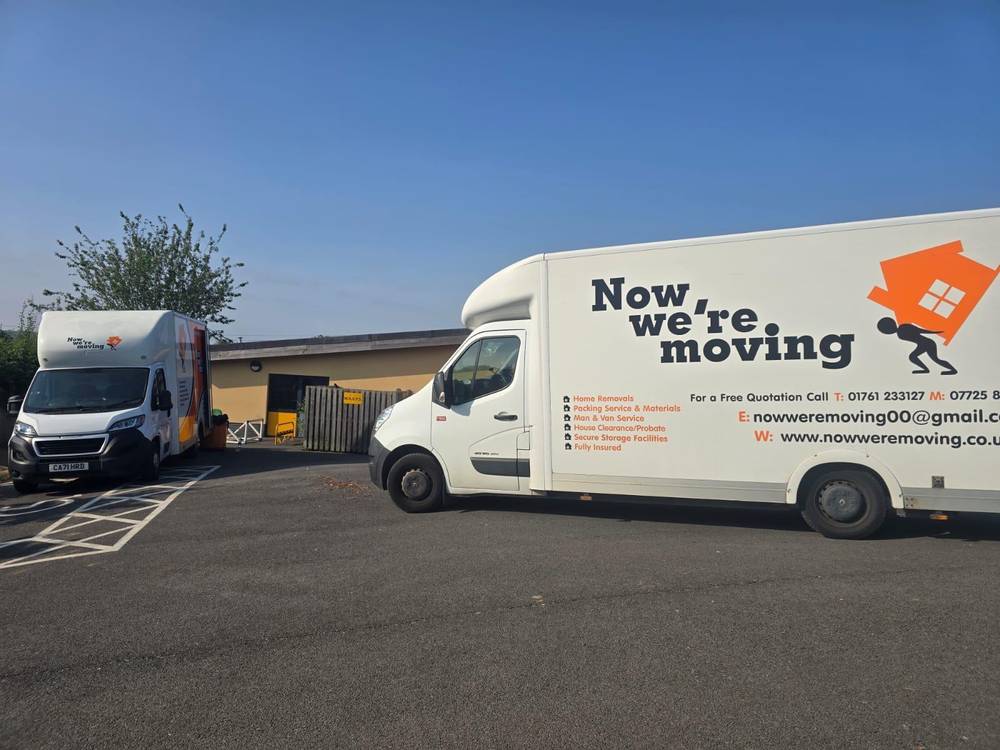
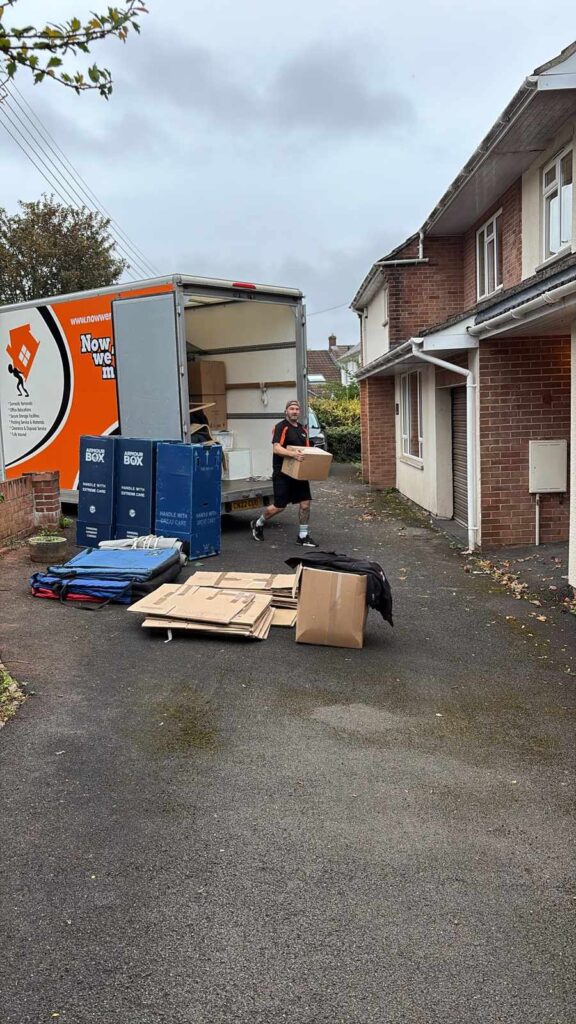
Preparation is primarily the responsibility of the healthcare operator and the relevant equipment specialists. Devices should be taken out of clinical use, cleaned and decontaminated in line with applicable policies and manufacturer instructions, and confirmed safe for handling.
Before the move, check:
Never assume that reconnecting a device makes it suitable for patient use. Installation, calibration, validation and clinical recommissioning should be assigned to competent specialists.
Medical premises often have narrower internal routes than their main entrances suggest. Consulting rooms, lift lobbies, corridors and occupied patient areas can constrain the size and timing of a move.
Planning should cover:
A video survey can help gather initial access information, but complex or high-risk movements may require an on-site assessment and a specialist handling plan.


Offering video surveys via WhatsApp or FaceTime means we can now offer quotations nationwide.

Good packing starts by treating each item according to its surface, sensitivity and handling instructions. Furniture frames may need blankets or corner protection, while portable accessories and detachable components require organised cartons or cases.
Our planning can include:
Clinical records and patient-identifiable information require the organisation’s own data-protection procedures. We would not describe a general transport service as an approved records-security process without an agreed, evidenced arrangement.
For everyday non-clinical contents, our packing and unpacking service may offer additional assistance.
A waiting area or treatment suite may need to be cleared for flooring, building work or a phased refit. Temporary storage can provide a holding period for suitable clean, dry furniture and non-sensitive equipment when direct delivery is not practical.
When assessing storage, confirm:
Refrigerated clinical stock, sterile consumables requiring special controls and sensitive calibrated devices should not be placed into general storage without separately verified suitability. Our traditional storage service describes the broader options available for ordinary contents.

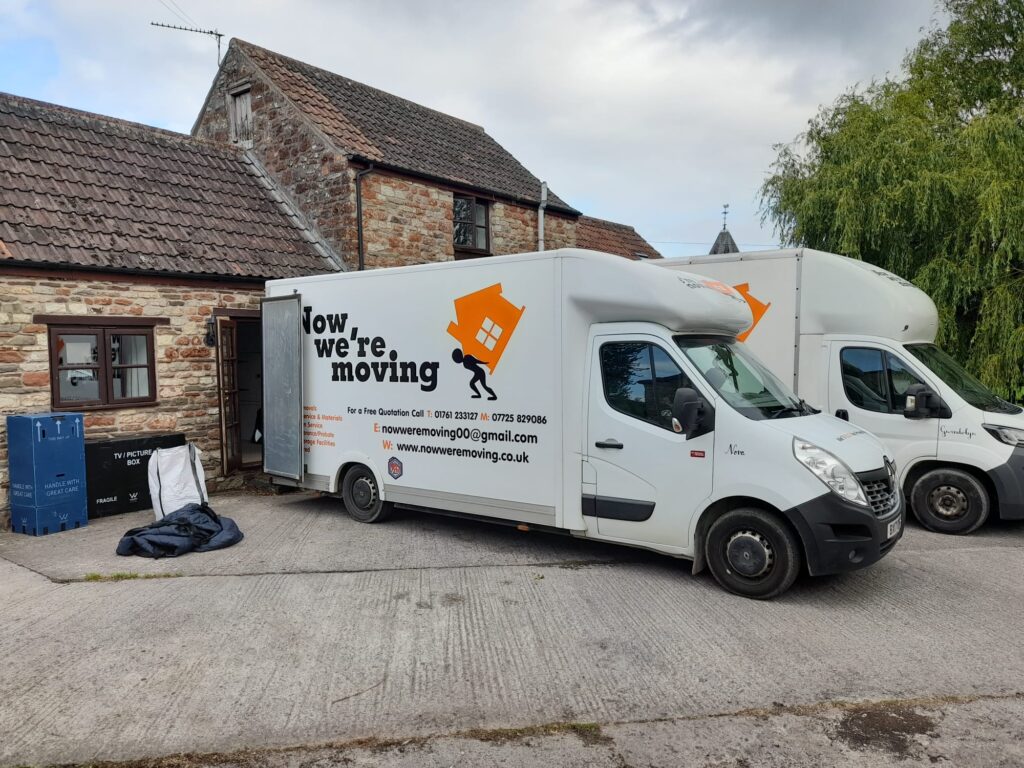
A clinic relocation often has two separate deadlines: the last working appointment at the existing site and the first appointment at the new one. The move schedule should fit around both, rather than assuming every device can be lifted, transported and placed back into use on the same day.
A practical sequence is to identify the assets, confirm their technical ownership, prepare the collection route, organise protective packing, carry out transport and then leave appropriate specialists to install and test the equipment. Reception furniture and boxed administrative supplies may be moved in a different phase from clinical devices.
For moves that need to happen in stages, our internal moves and relocations information offers related planning considerations.
Share a realistic working timetable, the contact details of the premises manager and any limits on where our team can enter or park.
Costs depend on the number of items, equipment dimensions and weights, access at each site, travel distance, team requirements and any agreed storage. Specialist preparation or commissioning by a third party is not automatically included. Share an inventory and photographs so a tailored quotation can be discussed.
Suitable freestanding treatment couches and examination furniture may be moved after their dimensions, weights, condition and access requirements have been assessed. Powered or adjustable items may need manufacturer-approved isolation or preparation first.
No specialist clinical-device disconnection, calibration, validation or recommissioning should be assumed as part of standard removals. Those tasks need to be arranged through the healthcare organisation and appropriately competent technicians.
Clean, dry, appropriately prepared items may be suitable for storage, depending on their requirements. Equipment requiring controlled environmental conditions, continuous monitoring or special custody must be assessed separately before any storage arrangement is agreed.
A phased move may be possible if the site can maintain safe access and patient confidentiality. The healthcare operator should identify clinical areas that must stay operational and approve the working timetable before collection.
The operator should complete the appropriate decontamination, isolation and manufacturer-specific preparation before collection. Clearly identify each device, secure approved removable accessories and supply any relevant handling restrictions.
Medicines, clinical waste, biological samples and hazardous materials are not assumed to be part of a standard furniture and equipment relocation. They require separate suitable transport and compliance arrangements.
Please provide collection and destination addresses, preferred dates, an equipment inventory, photographs, approximate dimensions and weights, floor levels, lift details, loading access and whether any equipment needs specialist preparation or storage.