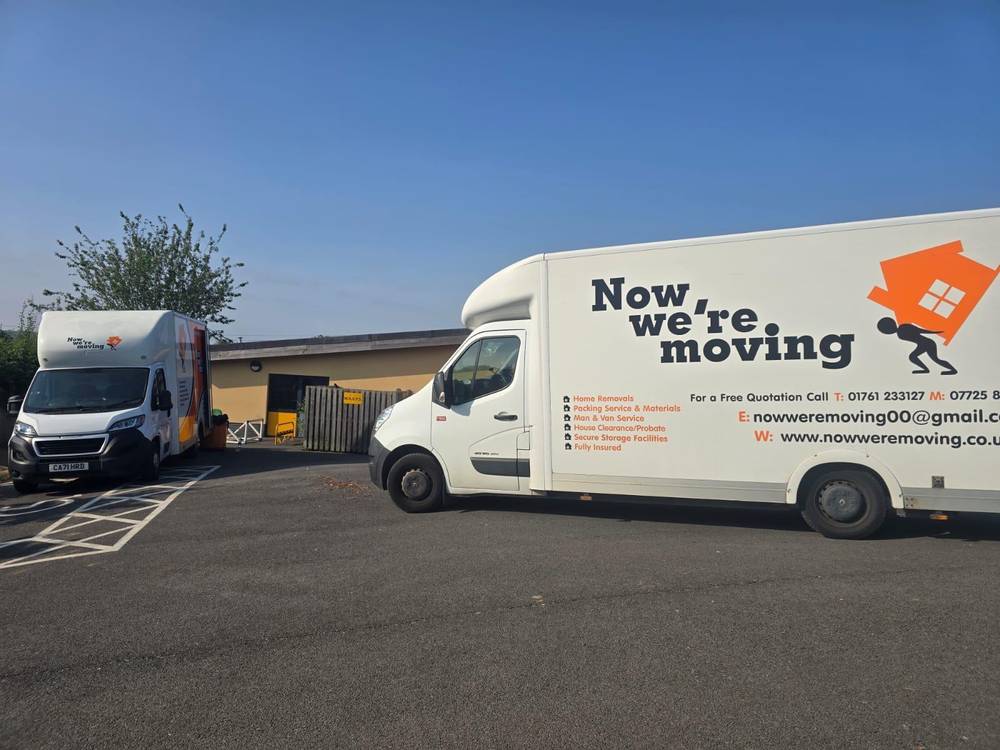
Moving house in the UK typically takes around 12 to 20 weeks from having an offer accepted to reaching moving day.
That works out at roughly three to five months for many buyers and sellers. However, the exact timescale can vary considerably depending on the property, mortgage process, conveyancing, searches and whether there is a property chain involved.
The physical move itself is usually the shortest part of the entire process. In many cases, loading, transporting and unloading the contents of a home can be completed within a single day.
The lengthy part is everything that has to happen before the removal van arrives.
How Long Does the Average House Move Take?
A straightforward house move will often take somewhere between 12 and 20 weeks after an offer has been accepted.
A typical timeline might look like this:
- Mortgage application and approval: 2 to 4 weeks
- Conveyancing and legal work: 8 to 12 weeks
- Exchange of contracts to completion: 1 to 4 weeks
- Physical house move: Usually 1 day
These stages often overlap, so they should not simply be added together.
For example, mortgage arrangements, surveys, searches and conveyancing can all be progressing at the same time.
The biggest difficulty is that several different people and organisations have to complete their part of the process before the transaction can move forward.
If you are still at the early stages, our guide on how to plan a house move covers the practical preparation you can begin before your final moving date has been confirmed.
What Happens After Your Offer Is Accepted?
Once your offer has been accepted, the legal and financial side of the move begins.
If you are using a mortgage, your lender will need to process your application and complete the necessary checks.
At the same time, your solicitor or conveyancer will begin investigating the property.
This usually includes reviewing contracts, carrying out searches and raising enquiries with the seller’s solicitor.
The seller will also need to provide information about the property.
If you are selling at the same time, the same process will be happening with your buyer.
This is why even apparently straightforward transactions can take several months.
How Long Does a Mortgage Take When Moving House?
A mortgage application can commonly take around two to four weeks to finalise, although individual cases can take longer.
The lender may need to assess:
- Your income and affordability
- Bank statements and financial information
- Your deposit
- The property being purchased
- The property’s valuation
- Existing borrowing or financial commitments
Delays can occur if additional documents are required or the lender needs further information.
A mortgage valuation can also identify issues that need to be investigated before the lender is willing to proceed.
Cash buyers do not have to go through mortgage underwriting, which can remove one potential source of delay.
However, a cash purchase can still be delayed by conveyancing, searches, surveys or other parties in the chain.
How Long Does Conveyancing Take?
Conveyancing is often the longest part of moving house.
It commonly takes around eight to twelve weeks, although complicated transactions can take considerably longer.
During conveyancing, your solicitor or conveyancer deals with the legal work required to transfer ownership of the property.
This may involve:
- Reviewing the draft contract
- Checking the title of the property
- Ordering searches
- Raising enquiries
- Reviewing replies from the seller
- Checking mortgage conditions
- Confirming what is included in the sale
- Agreeing the completion arrangements
Some of these stages can be completed quickly.
Others depend on information being supplied by councils, management companies, freeholders, lenders or the other side’s solicitor.
A delay involving just one part of the transaction can hold up everything else.
How Long Do Property Searches Take?
Property searches form an important part of the conveyancing process.
How long they take depends on the area and how quickly the relevant authorities can provide the information.
Local searches can sometimes become one of the slower parts of a house purchase.
If searches reveal an issue, your solicitor may also need to raise additional enquiries before advising you to proceed.
This is one reason why estimated moving dates can change even when everything initially appears to be progressing normally.
How Long Is It From Exchange to Completion?
Once contracts have been exchanged, completion will often take place around one to four weeks later.
The exact date is agreed between the parties.
In some transactions, exchange and completion can happen very close together.
Others allow a longer period so buyers and sellers have time to make final arrangements.
Exchange is an important stage because the transaction becomes legally binding.
Before exchange, a proposed moving date can still change.
After exchange, everyone involved has a confirmed completion date and can make firm arrangements with their removal company.
How Long Does the Actual House Move Take?
For many households, the physical move itself takes one day.
A removal team may arrive in the morning, load the property and transport everything to the new address before unloading later the same day.
Our house removals and moving home service can be planned around the size of your property, the volume of furniture and belongings, access at both addresses and the distance between them.
However, there is no universal moving time.
The job may take longer if you have:
- A large property
- A significant amount of furniture
- Difficult access
- Several flights of stairs
- A long distance between properties
- Large or unusually heavy items
- Extensive dismantling and reassembly
- A substantial amount of packing
- Delays waiting for keys
Some larger removals may also be planned over more than one day.
How Long Does It Take to Pack a House?
Packing can add several days or even weeks to the preparation for moving.
People who pack their own belongings often start gradually several weeks before completion.
Items that are rarely used can be packed first, leaving everyday essentials until closer to moving day.
If you use a professional packing service, the job can usually be completed much more quickly because an experienced team can work through the property systematically.
How long packing takes will depend largely on the size of the property and the amount of belongings you own.
Does a Property Chain Make Moving House Take Longer?
Property chains are one of the biggest factors affecting how long it takes to move house.
A chain exists when several connected property transactions depend on one another.
For example, your buyer may need to sell their current home before they can purchase yours.
You may then be relying on your own sale before you can complete your purchase.
Someone further up the chain may be in exactly the same position.
Every transaction needs to reach the point where it is ready to exchange.
If one property has a legal problem, mortgage delay or slow search, the entire chain may have to wait.
A chain-free move can sometimes be completed in around six to ten weeks.
Long and complicated property chains can stretch the process to six months or more.
We have covered the issue in more detail in Moving House in a Property Chain? Timing is Essential, including why one delayed transaction can affect several buyers and sellers further along the chain.
Are Chain-Free House Moves Faster?
Chain-free transactions are generally simpler because fewer people are involved.
Examples include:
- A first-time buyer purchasing an empty property
- A cash buyer purchasing a vacant property
- Someone buying from a seller who is not purchasing another home
Removing several linked transactions means there are fewer opportunities for delays elsewhere to affect your move.
However, being chain-free does not guarantee an exceptionally fast move.
Searches, surveys, legal enquiries and mortgage requirements still need to be completed.
Do Leasehold Properties Take Longer to Buy?
Leasehold property transactions can sometimes take longer than freehold purchases.
Additional information may be required from the freeholder or managing agent.
This can include a management pack containing information about:
- Service charges
- Building insurance
- Ground rent
- Planned major works
- Management arrangements
- Lease conditions
If this information takes time to arrive, the conveyancing process can slow down.
Your solicitor may also need to raise additional enquiries relating specifically to the lease.
Are Cash Buyers Faster?
Cash buyers can often proceed faster because they do not need to wait for mortgage approval.
There is no mortgage underwriting process and no lender making additional requirements before funds can be released.
However, cash buyers will normally still carry out the legal checks associated with purchasing a property.
Many will also arrange a survey.
A cash purchase therefore removes one stage of the process rather than eliminating the entire buying process.
What Can Delay a House Move?
Delays are extremely common during property transactions.
Some are relatively minor.
Others can add weeks or months.
Common causes include:
- Slow property searches
- Mortgage approval delays
- Problems identified by surveys
- Solicitor enquiries
- Missing paperwork
- Leasehold management information
- Unresponsive parties
- Changes elsewhere in the property chain
- Property valuation issues
- Problems with the title
- Buyers or sellers changing their circumstances
- Difficulty agreeing completion dates
Even when your own part of the transaction is progressing smoothly, another property in the chain can cause delays.
Why Do Moving Dates Change?
One of the most frustrating parts of moving house is that people often have an approximate moving date long before they have a confirmed one.
Until contracts are exchanged, the date can still move.
Your solicitor may be waiting for replies to enquiries.
A buyer’s mortgage offer may not yet be ready.
Someone further along the chain may also be waiting for their transaction to progress.
For this reason, it is sensible to treat early completion dates as provisional.
Your moving date becomes much more certain after exchange.
When Should You Book a Removal Company?
It is worth contacting a removal company as early as possible once you know that you are likely to move.
You do not necessarily need a confirmed completion date to begin discussing your requirements.
An early quotation gives you an opportunity to establish:
- How much needs moving
- The likely vehicle requirements
- Whether you need packing
- Whether furniture needs dismantling
- Whether storage might be required
- Any access problems at either property
- The likely cost of the move
Once your completion date is confirmed, the booking can then be finalised subject to availability.
Popular dates can become booked quickly, particularly Fridays and busy periods of the year.
The same principle applies to local moves. For example, customers arranging removals in Midsomer Norton can discuss their likely moving requirements before completion so that access, furniture volume and any packing or storage requirements can be considered early.
What If Your Completion Date Keeps Changing?
Changing completion dates are common.
If you have already spoken to your removal company, keep them updated as the transaction progresses.
It is much easier to adjust plans when the removals team knows that the date is still provisional.
If there is a major delay, temporary storage may also become useful.
For example, you may need to leave your current property before your new home is ready.
Our storage and collection services can provide a practical solution by collecting furniture and belongings, storing them temporarily and arranging redelivery once the new property becomes available.
This can be particularly useful where completion dates no longer line up or you need temporary accommodation between properties.
Can You Move House Faster Than 12 Weeks?
Yes.
Some transactions can be completed considerably faster than the typical twelve-to-twenty-week timeframe.
A straightforward chain-free transaction may sometimes complete within six to ten weeks.
Factors that can make a move quicker include:
- No property chain
- A cash buyer
- A vacant property
- Solicitors acting promptly
- Searches returning quickly
- No issues with the survey
- All documentation being readily available
- Buyers and sellers responding quickly
The fewer complications involved, the easier it becomes for the transaction to progress.
Can Moving House Take Six Months?
Yes.
Some house moves take six months or longer.
Long property chains are a common reason.
Complex legal enquiries, leasehold paperwork, mortgage problems and slow searches can also extend the process.
A delay does not necessarily mean something has gone wrong with your particular property.
Sometimes the issue is several transactions away from you in the chain.
This uncertainty is why it is useful to prepare for the move before the final date is confirmed without making arrangements that cannot be changed.
How Can You Help Keep Your House Move on Schedule?
You cannot control every stage of a house move, but responding quickly can help prevent avoidable delays.
Useful steps include:
- Instruct your solicitor early
- Provide identification and paperwork promptly
- Complete mortgage applications quickly
- Respond to solicitor enquiries
- Arrange surveys promptly
- Keep your estate agent updated
- Start organising the physical move early
- Begin decluttering and packing before completion
- Discuss removal requirements before exchange
Keeping documents and communication organised becomes increasingly important when several parties are involved.
Start Preparing for Moving Day Before Exchange
You may not know the final moving date, but there is still plenty you can do.
Start by identifying items that will not be moving with you.
Selling, donating or clearing unwanted furniture means fewer items need to be packed and transported.
You can also start packing possessions that you rarely use.
Lofts, garages, spare rooms, books and seasonal belongings are often good places to begin.
Leave essential kitchen equipment, clothing, toiletries and important documents until closer to moving day.
The House Move Takes Months – Moving Day Takes Hours
The slightly strange thing about moving house is that months of legal and financial work eventually come down to one very busy day.
For a typical UK house move, allow around 12 to 20 weeks from an accepted offer to completion.
A straightforward chain-free purchase may be completed in around six to ten weeks, while a complicated property chain can take six months or longer.
Once completion day finally arrives, the physical removal itself can often be completed within a day.
Preparing for that day early can make a significant difference.
Now We’re Moving can help with house removals, packing, furniture moving and storage, whether everything happens on the same day or your belongings need to be stored temporarily between properties.
If you know you are moving but your completion date has not yet been confirmed, you can still start discussing the move and get an idea of the practical requirements before the final date is agreed.